

Ethan Allen Captured by the British: Fort Ticonderoga Hero Falls
Ethan Allen's rash attempt to capture Montreal ended in his surrender to British forces at the Battle of Longue-Pointe, while Benedict Arnold simultaneously launched his grueling overland expedition toward Quebec City through the Maine wilderness. The twin operations exposed the Radical army's overreach in Canada but demonstrated the colonists' willingness to carry the fight far beyond their own borders.
September 25, 1775
251 years ago
Key Figures & Places
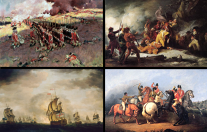
American Revolutionary War
Wikipedia
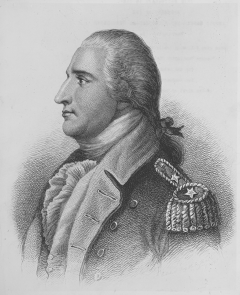
Benedict Arnold
Wikipedia
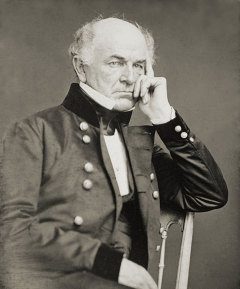
Ethan Allen
Wikipedia

Montreal
Wikipedia

Quebec City
Wikipedia
Benedict Arnold's expedition to Quebec
Wikipedia
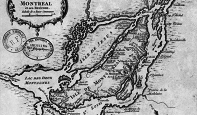
Battle of Longue-Pointe
Wikipedia
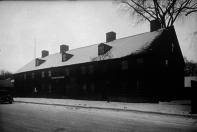
Fort Western
Wikipedia

American Revolutionary War
Wikipedia

Ethan Allen
Wikipedia

Montreal
Wikipedia

Battle of Longue-Pointe
Wikipedia

Invasion of Quebec (1775)
Wikipedia

American Revolution
Wikipedia
What Else Happened on September 25
destruction de Jérusalem (première guerre judéo-romaine).
Alexandre Severo é derrotado pelos persas durante a reconquista de uma província romana na Mesopotâmia (atualmente no Iraque).
The Senate hadn't chosen an emperor in decades — power had passed through assassination, military coup, and dynastic succession. But in 275, with Aurelian dead …

The Roman Senate reclaimed the rare authority to choose an emperor by proclaiming the elderly senator Marcus Claudius Tacitus after a two-month interregnum foll…
Saint Fermin of Pamplona met his end by beheading in Amiens after traveling through Gaul to spread Christianity. His martyrdom transformed him into the patron s…
Muhammad al-Nafs al-Zakiyya — 'the Pure Soul' — had been expected to be the Mahdi since childhood, a man his own followers believed was destined to restore righ…
Talk to History
Have a conversation with historical figures who witnessed this era. Ask questions, explore perspectives, and bring history to life.