

Truck Bomb Hits World Trade Center: First Attack
A rented Ryder van packed with 1,200 pounds of urea nitrate explosive detonated in the underground parking garage beneath the World Trade Center's North Tower at 12:17 p.m. on February 26, 1993. The blast carved a crater five stories deep, killed six people, and injured more than a thousand, but it failed spectacularly at its intended purpose: the bombers had hoped to topple the North Tower into the South Tower, killing tens of thousands. The mastermind was Ramzi Yousef, a Pakistani-born militant trained in Afghan camps, who had entered the United States on a fraudulent Iraqi passport six months earlier. Yousef designed the bomb with help from a cell of men connected to the blind Egyptian cleric Sheikh Omar Abdel Rahman, who preached at a mosque in Jersey City. The group assembled the device in a storage locker, mixing fertilizer-based explosives with compressed hydrogen tanks intended to amplify the blast. They drove the van into the B-2 parking level directly beneath the North Tower. The explosion rocked both towers, knocked out emergency power, filled stairwells with smoke, and trapped tens of thousands of workers in the upper floors for hours. Evacuation took more than nine hours. The six dead included a pregnant woman and a maintenance worker eating lunch near the blast site. Property damage exceeded $500 million. The structural engineers who assessed the aftermath confirmed that the towers had absorbed the explosion as designed — the steel-reinforced concrete foundation held. The FBI traced the plot through a vehicle identification number recovered from the crater, a fragment of the Ryder van's axle. Mohammad Salameh, one of the bombers, was arrested when he returned to the rental agency to reclaim his $400 deposit. Yousef fled to Pakistan but was captured in Islamabad in 1995. The 1993 bombing was the first major jihadist attack on American soil and a direct precursor to September 11, 2001, when the same target was struck again by plotters linked to the same networks. The eight-year gap between attacks was later recognized as a catastrophic failure of intelligence and imagination.
February 26, 1993
33 years ago
Key Figures & Places

New York City
Wikipedia
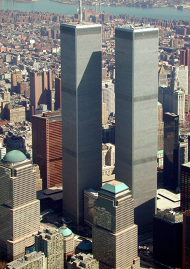
World Trade Center
Wikipedia
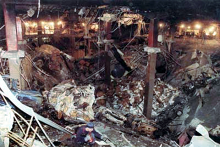
World Trade Center bombing
Wikipedia
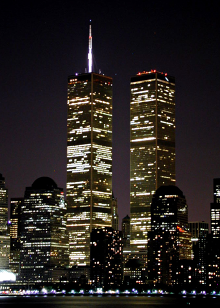
North Tower
Wikipedia

1993 World Trade Center bombing
Wikipedia
1 World Trade Center (1970–2001)
Wikipedia

World Trade Center
Wikipedia

New York City
Wikipedia

Paulino Uzcudun
Wikipedia
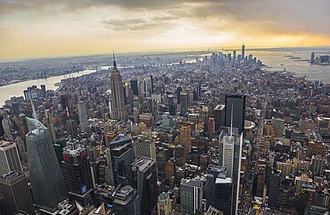
Manhattan
Wikipedia
Islamic terrorism
Wikipedia

One World Trade Center
Wikipedia
What Else Happened on February 26
Astronomers began tracking the reign of the Babylonian king Nabonassar, establishing a precise chronological anchor that lasted for centuries. By standardizing …
Ptolemy needed a zero point for his astronomical tables. He chose February 26, 747 BC — the first day of King Nabonassar's reign in Babylon. Not because Nabonas…
Chandragupta I took a title nobody had used in centuries: *samrat*, supreme emperor. Not king. Emperor. He married a Licchavi princess named Kumaradevi and put …
Valentinian I became emperor because nobody else wanted the job. The previous emperor had died suddenly in Bithynia. The army gathered to pick a successor. They…
Solomon had the throne. Géza had the people. By 1074, Hungary was split between the legitimate king and his cousin who controlled two-thirds of the country. The…
The siege of Kaifeng killed more people than the atomic bombs dropped on Japan. Conservative estimates: 600,000 dead, mostly from starvation and disease. The Mo…
Talk to History
Have a conversation with historical figures who witnessed this era. Ask questions, explore perspectives, and bring history to life.