Star-Spangled Banner Born: Baltimore Holds the Fort
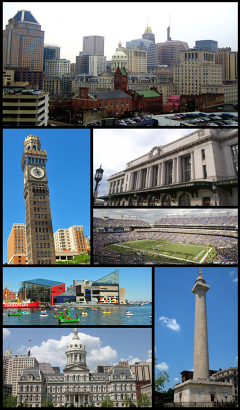
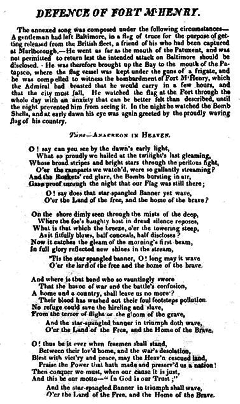
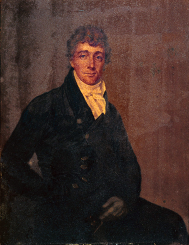
Francis Scott Key peered through the dawn haze from the deck of a British truce ship in Baltimore Harbor on the morning of September 14, 1814, desperate to know whether Fort McHenry still stood. Through the clearing smoke, he saw the garrison’s oversized American flag, fifteen stars and fifteen stripes, still flying above the ramparts. The poem he scribbled on the back of a letter during the next few hours became "The Star-Spangled Banner," and the battle that inspired it marked the moment the British campaign to crush the Chesapeake Bay region collapsed. The bombardment had begun the previous morning, September 13, when a Royal Navy squadron of nineteen vessels opened fire on Fort McHenry from roughly two miles out. The British had expected the fort to crumble quickly, clearing the way for warships to sail into the harbor and support the land assault on Baltimore from the east. Major George Armistead’s garrison of roughly a thousand soldiers and sailors hunkered behind the star-shaped earthworks while Congreve rockets and mortar shells rained down. The bombardment lasted twenty-five hours. British bomb ships lobbed between 1,500 and 1,800 shells at the fort, but the range was too great for accuracy, and most exploded harmlessly in the air or fell into the surrounding water. When smaller vessels attempted to close the distance under cover of darkness, American gun crews drove them back with concentrated fire. By dawn on September 14, the fleet had exhausted its ammunition and achieved nothing. Key, a Georgetown lawyer, had boarded the British flagship days earlier to negotiate the release of a civilian prisoner. He was detained aboard for the duration of the battle to prevent him from revealing British positions. His four-stanza poem, set to the melody of a popular English drinking song, was printed as a broadside within days and spread across the country. Congress did not officially designate it the national anthem until 1931, but the song had functioned as one in the public imagination for over a century by then.
September 13, 1814
212 years ago
Key Figures & Places
What Else Happened on September 13
A triumph was Rome's ultimate military honor — a procession through the city, a general on a chariot, the crowd roaring. Lucius Tarquinius Priscus, Rome's fifth…
The Temple of Jupiter Optimus Maximus took over 100 years to build — started under Rome's Etruscan kings and finished just as the Republic began. Dedicating it …
Michelangelo began carving his David from a massive, neglected block of Carrara marble that two previous sculptors had abandoned as unworkable. By transforming …
Hadrian ordered the wall built after visiting Britain himself — one of the few emperors who actually toured the frontiers. The structure ran 73 miles coast to c…
Emperor Constantine the Great consecrated the Church of the Holy Sepulchre in Jerusalem, officially identifying the site as the location of Jesus’s crucifixion …
Yax Nuun Ayiin I ascended the throne of Tikal, initiating a far-reaching era of Teotihuacan influence in the Maya lowlands. By integrating central Mexican icono…
Talk to History
Have a conversation with historical figures who witnessed this era. Ask questions, explore perspectives, and bring history to life.