Henry Every Plunders Mughal Ship: History's Richest Raid
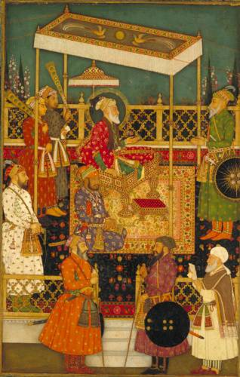
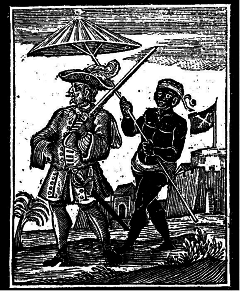
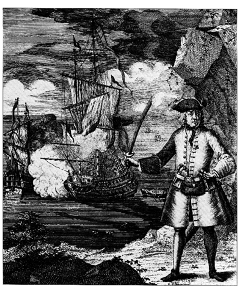
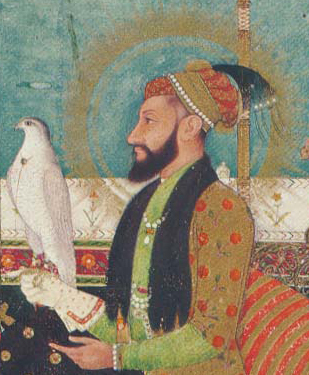
Henry Every, commanding the 46-gun warship Fancy, overtook the Mughal treasure ship Ganj-i-Sawai in the Mandab Strait near the mouth of the Red Sea on September 7, 1695, and plundered it in what became the single most profitable pirate raid in recorded history. The haul included gold, silver, and precious stones worth an estimated 600,000 pounds, equivalent to roughly 100 million dollars today, enough to make every member of Every's crew wealthy for life. The attack also included widespread violence against the passengers, with reports of murder, torture, and the rape of women aboard the vessel, including members of the Mughal court. The Ganj-i-Sawai was no ordinary merchant vessel. The ship belonged to the Mughal Emperor Aurangzeb himself and was returning from the annual pilgrimage to Mecca carrying wealthy Muslim travelers and their treasure. The vessel carried 400 to 500 soldiers and was one of the largest ships in the Indian Ocean, but Every's crew, experienced pirates and privateers, overpowered the defenders after a brutal fight in which the Ganj-i-Sawai's captain reportedly hid below decks rather than direct the defense. Emperor Aurangzeb was furious. He threatened to expel the English East India Company from India entirely, holding the company responsible because Every had sailed under an English privateer commission. The Company faced the prospect of losing its most lucrative trading relationship, and the English government responded by launching the first worldwide manhunt in history, offering a 500-pound bounty for Every's capture and pressuring colonial governors from the Caribbean to North America to search for him. Every vanished completely. After dividing the treasure among his crew in the Bahamas and briefly sheltering in Nassau, he disappeared from the historical record. Despite the massive manhunt, he was never captured, tried, or definitively identified again. His fate remains one of the great unsolved mysteries of the Golden Age of Piracy. The raid's consequences for the East India Company were severe and lasting, forcing the Company to accept responsibility for policing piracy in the Indian Ocean, a burden that ironically expanded British naval presence in the region.
September 7, 1695
331 years ago
Key Figures & Places

What Else Happened on September 7
Roman legions under General Titus breached the walls of Jerusalem, systematically dismantling the Second Temple and ending the Great Jewish Revolt. This destruc…
Louis got the nickname 'the Stammerer' from his contemporaries — and it wasn't metaphorical. He had a pronounced stammer and was reportedly in poor health his e…
The papal election of 1159 produced two claimants simultaneously. The majority of cardinals chose Orlando Bandinelli, who became Alexander III. A minority backe…
Cardinal Rolando Bandinelli's election as Pope Alexander III triggered an immediate split when rivals crowned Cardinal Octaviano Monticelli as Antipope Victor I…
Richard the Lionheart shattered Saladin’s tactical reputation at Arsuf, proving that the Ayyubid army could be defeated in open field combat. By maintaining a d…
Frederick II arrived in the Holy Land already excommunicated by the Pope — the Church had banned him for repeatedly delaying this very trip. So he launched a Cr…
Talk to History
Have a conversation with historical figures who witnessed this era. Ask questions, explore perspectives, and bring history to life.