

Hebron Massacre: 29 Worshippers Killed at Cave
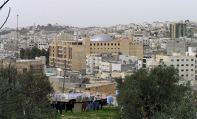
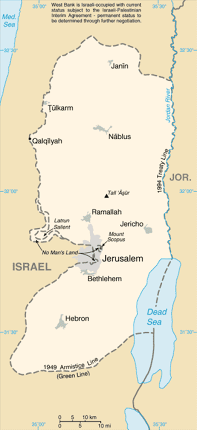
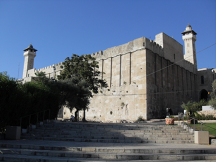
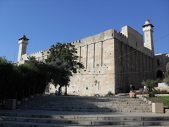
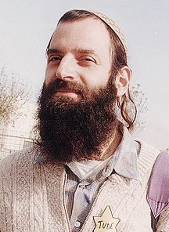
Baruch Goldstein, an American-born Israeli settler and physician, walked into the Ibrahimi Mosque in Hebron during the dawn prayers of Ramadan on February 25, 1994, and opened fire with an IMI Galil assault rifle. He killed twenty-nine Palestinian worshippers and wounded one hundred twenty-five before survivors overwhelmed him with a fire extinguisher and beat him to death. The massacre at the Cave of the Patriarchs — a site sacred to both Muslims and Jews — was the deadliest act of terrorism by an Israeli civilian against Palestinians. Goldstein was a follower of Rabbi Meir Kahane, whose Kach movement advocated the forced expulsion of all Arabs from Israel and the occupied territories. A Brooklyn native who had emigrated to the settlement of Kiryat Arba adjacent to Hebron, Goldstein served as an emergency physician but had reportedly refused to treat Arab patients. Neighbors later said he had grown increasingly agitated over recent Palestinian attacks and the ongoing Oslo peace process, which he viewed as a betrayal. The massacre provoked immediate violence. Riots erupted across the West Bank and Gaza, and in the following days, twenty-six more Palestinians were killed by Israeli forces during protests. Hamas, the militant Islamist organization, cited the Hebron massacre as justification for a new campaign of suicide bombings inside Israel that began weeks later and continued through the mid-1990s, severely undermining public support for the Oslo accords. The aftermath reshaped Hebron itself. Rather than evacuating the small, militant settler community that had precipitated the crisis, Israel divided the city into two zones — H1 under Palestinian Authority control and H2 under Israeli military control — and imposed severe restrictions on Palestinian movement in the Old City. The Ibrahimi Mosque was partitioned, with separate sections for Muslim and Jewish worship. For some settlers, Goldstein became a martyr; his grave in Kiryat Arba became a pilgrimage site until Israeli authorities dismantled the shrine in 1999. The massacre remains a defining moment in the collapse of the Oslo peace process.
February 25, 1994
32 years ago
Key Figures & Places
What Else Happened on February 25
Hadrian formally adopted Antoninus Pius, securing a peaceful transition of power that ensured the stability of the Roman Empire for the next two decades. By man…
Theodoric the Great promised Odoacer they'd rule Italy together. They signed the treaty on March 5, 493. Ten days later, at a banquet meant to celebrate their p…
Kavadh II seized the Sasanian throne after orchestrating a coup against his father, Khosrow II, ending a reign defined by exhausting, decades-long wars with the…
Khosrau II ruled Persia for 38 years and lost everything in six months. He'd conquered Egypt, Syria, and pushed Roman forces back to Constantinople's walls. The…
Four thousand defenders of Pilėnai burned their fortress to the ground, choosing mass suicide over capture by the encroaching Teutonic Knights. This desperate a…
Pope Pius V issued the papal bull Regnans in Excelsis, formally excommunicating Queen Elizabeth I and declaring her a heretic. This decree released English Cath…
Talk to History
Have a conversation with historical figures who witnessed this era. Ask questions, explore perspectives, and bring history to life.