

US Steel Founded: JP Morgan Creates America's First Billion-Dollar Company
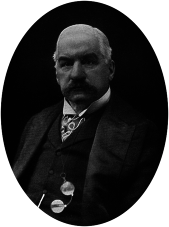
J. P. Morgan merged Andrew Carnegie's steel empire with Federal Steel and National Steel to create U.S. Steel, the world's first billion-dollar corporation. Capitalized at $1.4 billion and controlling two-thirds of American steel output, the company exemplified the era of industrial consolidation and became the standard against which all future corporate mergers would be measured.
February 25, 1901
125 years ago
Key Figures & Places

What Else Happened on February 25
en el Imperio romano, Pompeyo es elegido cónsul único de Roma.
Hadrian formally adopted Antoninus Pius, securing a peaceful transition of power that ensured the stability of the Roman Empire for the next two decades. By man…
después del sitio de Rávena, de dos años de duración, Odoacro (rey de Italia) acepta entablar conversaciones de paz con el rey ostrogodo Teodorico el Grande (45…
Theodoric the Great promised Odoacer they'd rule Italy together. They signed the treaty on March 5, 493. Ten days later, at a banquet meant to celebrate their p…
Khosrau II ruled Persia for 38 years and lost everything in six months. He'd conquered Egypt, Syria, and pushed Roman forces back to Constantinople's walls. The…
Kavadh II seized the Sasanian throne after orchestrating a coup against his father, Khosrow II, ending a reign defined by exhausting, decades-long wars with the…
Talk to History
Have a conversation with historical figures who witnessed this era. Ask questions, explore perspectives, and bring history to life.