Hood Evacuates Atlanta: Union Seizes the South
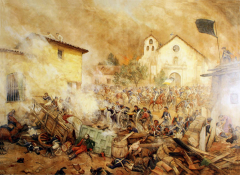
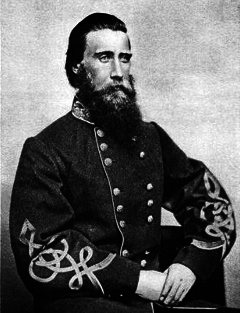
Confederate General John Bell Hood ordered the evacuation of Atlanta on September 1, 1864, ending a four-month siege by Union forces under William Tecumseh Sherman and surrendering the Confederacy's most important remaining industrial center. Atlanta housed foundries, rolling mills, and the critical railroad junction that connected Virginia to the Deep South. Its loss severed the logistical spine of the Confederate war effort. Hood's decision to abandon the city came after Sherman flanked his defenses at Jonesborough, cutting the last rail line into Atlanta and making continued occupation untenable. Confederate troops destroyed what military supplies they could not carry, setting fire to ammunition trains that produced explosions heard for miles. Sherman's forces entered the city the following day and found a civilian population in shock. The fall of Atlanta arrived at a moment of maximum political vulnerability for Abraham Lincoln. His reelection campaign had been faltering through a summer of mounting Union casualties, stalled campaigns in Virginia, and growing public war-weariness. The Democratic Party had nominated George McClellan on a platform that essentially called for a negotiated peace with the Confederacy. The capture of Atlanta shattered that argument overnight. Northern newspapers ran triumphant headlines, public morale surged, and Lincoln won the November election decisively, carrying every state but three. Sherman used Atlanta as the launching point for his March to the Sea, a 300-mile campaign of systematic destruction through Georgia's agricultural heartland that severed Confederate supply lines and shattered the South's remaining capacity to sustain organized resistance.
September 1, 1864
162 years ago
What Else Happened on September 1
Marcus Furius Camillus dedicated the Temple of Juno Regina on the Aventine Hill, fulfilling a vow made during the grueling siege of Veii. By transplanting the g…
Nobody actually celebrated it in 462 AD. The Byzantine indiction was a 15-year Roman tax assessment cycle — a bureaucratic rhythm that somehow became embedded i…
Greek fire did what no sword could. The Byzantine navy pumped it through bronze tubes mounted on ships, igniting the Muslim armada — 1,800 vessels — as it pushe…
The main altar of Lund Cathedral was consecrated on September 1, 1145, cementing the church's role as the spiritual center of all Nordic Christianity. As seat o…
The widow Stamira threw herself from the walls of Ancona during Emperor Frederick Barbarossa's siege in 1173, choosing death over surrender in an act that repor…
Stephen V of Hungary personally documented a walk to a crumbling old castle where workers had just unearthed a sword. Not just any sword — the Sword of Attila, …
Talk to History
Have a conversation with historical figures who witnessed this era. Ask questions, explore perspectives, and bring history to life.