Pizarro Executes Atahualpa: Inca Empire Destroyed
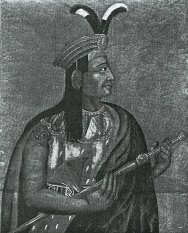
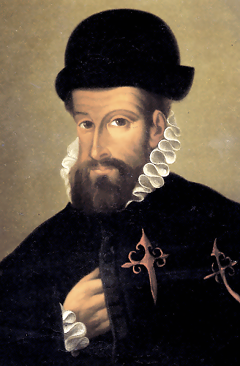
Francisco Pizarro ordered the execution of Atahualpa, the last sovereign emperor of the Inca Empire, on August 29, 1533, in the plaza of Cajamarca. The emperor was garroted after accepting a last-minute baptism to avoid being burned at the stake. His death completed the most audacious and destructive act of conquest in the history of the Americas, carried out by fewer than 200 Spanish soldiers against an empire of ten million people. Pizarro had captured Atahualpa nine months earlier in a calculated ambush. The emperor arrived at Cajamarca on November 16, 1532, with an escort of several thousand unarmed attendants, expecting a diplomatic meeting. Pizarro's men, hidden in buildings around the plaza, attacked at a signal. Cavalry, cannon fire, and steel swords slaughtered an estimated 2,000 to 6,000 Inca in under two hours. Not a single Spaniard was killed. Atahualpa was seized alive, and his capture paralyzed the Inca command structure, which depended entirely on the emperor's authority. Atahualpa, grasping his captors' motives quickly, offered a ransom: he would fill a room roughly 22 feet long by 17 feet wide with gold to a height of over eight feet, plus two smaller rooms with silver. The Inca delivered the ransom over the following months, stripping temples, palaces, and sacred sites across the empire. Pizarro's men melted down masterworks of Inca goldsmithing into bars. The total haul was enormous, worth hundreds of millions in modern currency, and each soldier received a share that would have taken a lifetime to earn in Spain. Having extracted the ransom, Pizarro fabricated charges of treason and idolatry against Atahualpa and staged a summary trial. Several of Pizarro's own officers protested the injustice. The execution removed the one figure who might have organized unified Inca resistance and allowed Pizarro to install a puppet emperor. Spanish control expanded rapidly. European diseases, already spreading through the empire, killed far more Inca than Spanish weapons ever did. Within a generation, the population had collapsed by an estimated 90 percent, and one of the most sophisticated civilizations in the Western Hemisphere had been effectively destroyed.
August 29, 1533
493 years ago
Key Figures & Places
What Else Happened on August 29
Japan minted copper coins for the first time in 708 AD, during the reign of Empress Genmei. The coins were called Wado Kaichin — Wado meaning Japanese copper an…
An Aghlabid army breached the walls of Melite after a grueling siege in 870, compelling the city's surrender and ending centuries of Byzantine governance over M…
Fire consumed the newly inaugurated Mainz Cathedral on the very day of its consecration in 1009. This disaster forced Archbishop Willigis to abandon his origina…
The Battle of Fariskur in 1219 during the Fifth Crusade saw Crusader forces clash with the Ayyubid Sultanate in the Egyptian Delta. The Fifth Crusade's Egyptian…
Pope Urban IV succeeded Alexander IV as the 182nd pope in 1261, launching a papacy that would establish the Feast of Corpus Christi — one of the most important …
The 1315 Battle of Montecatini produced a decisive upset when Pisa's forces under the warlord Uguccione della Faggiuola routed the larger Guelph army of Florenc…
Talk to History
Have a conversation with historical figures who witnessed this era. Ask questions, explore perspectives, and bring history to life.