Stockholm Syndrome Born: Hostages Bond with Captors
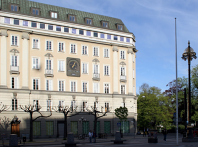
Jan-Erik Olsson walked into the Kreditbanken at Norrmalmstorg in central Stockholm on August 23, 1973, opened fire on responding police officers, and took four bank employees hostage. Over the next six days, something unexpected happened: the hostages began to trust their captors more than the police trying to rescue them. The crisis gave psychology a new term that would reshape how negotiators approach every hostage situation since. Olsson, who was on leave from prison, demanded three million Swedish kronor, weapons, bulletproof vests, and that his friend Clark Olofsson be brought to the bank. The Swedish government agreed to deliver Olofsson, hoping he could serve as a communication channel. Instead, the two men barricaded themselves with their hostages in the bank vault. Olsson called Prime Minister Olof Palme and threatened to kill the hostages; one was heard screaming in the background. But Palme also received a call from hostage Kristin Enmark, who criticized the government's handling and asked to be allowed to leave with the robbers. Police drilled a hole through the vault ceiling from the apartment above, through which they observed and eventually pumped tear gas on August 28. Olsson and Olofsson surrendered after thirty minutes. None of the hostages were seriously hurt. But their behavior baffled investigators. They expressed sympathy for their captors, refused to testify against them, and in Enmark's case maintained a friendship with Olofsson for years. One hostage told reporters she felt more threatened by the police than by the robbers. Criminologist Nils Bejerot coined the term "Stockholm syndrome" to describe the phenomenon, though psychologists still debate whether it represents a genuine clinical condition or a rational survival strategy. The concept entered popular culture and law enforcement training worldwide. Hostage negotiation doctrine shifted dramatically after the incident, prioritizing time and dialogue over tactical assault. The six days at Norrmalmstorg changed how the world thinks about the psychology of captivity.
August 23, 1973
53 years ago
Key Figures & Places
What Else Happened on August 23
After conquering Egypt, Octavian ordered the execution of Marcus Antonius Antyllus, the eldest son of Marc Antony, and Caesarion, the teenage son of Julius Caes…
Augustus used the Ludi Volcanalici — games held in the precinct of Vulcan's temple — to celebrate Rome's diplomatic triumph over Parthia and the return of the l…
Mount Vesuvius erupted on the feast day of Vulcan, burying Pompeii and Herculaneum under layers of volcanic ash and pumice. This sudden catastrophe perfectly pr…
Roman general Stilicho defeated the Gothic king Radagaisus in 406 AD, executing him and absorbing 12,000 of his warriors into the Roman army or selling them int…
The Germanic chieftain Odoacer was proclaimed King of Italy by his troops after deposing the last Western Roman Emperor, the teenaged Romulus Augustulus, in a b…
Abu Bakr, the first caliph of Islam and closest companion of the Prophet Muhammad, died in Medina in 634 AD after just two years of leadership during which he h…
Talk to History
Have a conversation with historical figures who witnessed this era. Ask questions, explore perspectives, and bring history to life.