

Andrew Johnson Impeached: First President to Face Trial
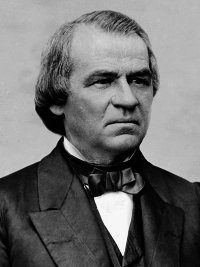
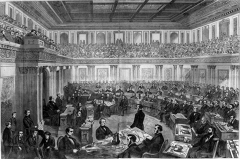
The House of Representatives impeaches President Andrew Johnson, setting a dangerous precedent for congressional power over the executive branch. Although the Senate acquits him by a single vote, the trial establishes that removing a president requires more than mere policy disagreements, effectively limiting future impeachment attempts to cases of high crimes and misdemeanors.
February 24, 1868
158 years ago
Key Figures & Places

President of the United States
Wikipedia
United States House of Representatives
Wikipedia

United States Senate
Wikipedia
impeachment
Wikipedia
Andrew Johnson
Wikipedia
impeached
Wikipedia

Andrew Johnson
Wikipedia

President
Wikipedia

Impeachment of Andrew Johnson
Wikipedia

United States House of Representatives
Wikipedia

United States Senate
Wikipedia

Impeachment
Wikipedia
What Else Happened on February 24
Jules César met en œuvre un nouveau calendrier appelé par la suite calendrier julien en son honneur, le lendemain même du premier jour d'intercalation qui carac…
The Drury Lane Theatre collapsed into ash on February 24, 1809, consuming Richard Brinsley Sheridan’s fortune and his life’s work in a single night. Watching th…
Imperador romano Galério publica o édito para o início da perseguição aos cristãos numa parte do Império Romano.
King Huneric of the Vandals purged his North African kingdom of Nicene bishops, forcibly replacing them with Arian clergy and exiling dissenters to Corsica. Thi…
King Huneric didn't just persecute bishops — he went after the money men too. In 484, the Vandal ruler expelled Christian bishops across North Africa and shippe…
en la villa de Asís (península itálica), Francisco de Asís afirma que escuchó directamente a Jesucristo ordenándole que comenzara su misión.
Talk to History
Have a conversation with historical figures who witnessed this era. Ask questions, explore perspectives, and bring history to life.