

Indonesia Declares Independence: Sukarno Proclaims a Nation
Sukarno and Mohammad Hatta proclaimed Indonesia's independence on August 17, 1945, immediately sparking a four-year armed struggle against returning Dutch colonial forces. This bold declaration forced the Netherlands to recognize Indonesian sovereignty in 1949, fundamentally altering the geopolitical landscape of Southeast Asia.
August 17, 1945
81 years ago
Key Figures & Places

Indonesia
Wikipedia
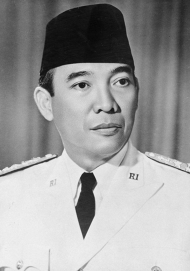
Sukarno
Wikipedia
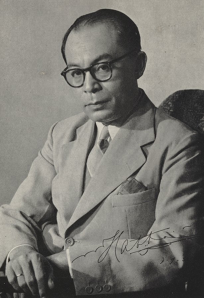
Mohammad Hatta
Wikipedia
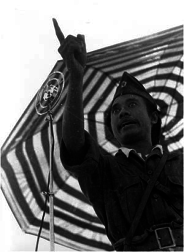
Indonesian National Revolution
Wikipedia
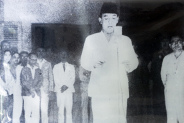
proclaim the independence
Wikipedia

Dutch Empire
Wikipedia

Sukarno
Wikipedia

Mohammad Hatta
Wikipedia

Proclamation of Indonesian Independence
Wikipedia

Indonesia
Wikipedia
Indonesian National Revolution
Wikipedia

Dutch colonial empire
Wikipedia

Independence Day (Indonesia)
Wikipedia

Nusantara (ciudad)
Wikipedia

Jakarta
Wikipedia

Neocolonialismo
Wikipedia

Netherlands
Wikipedia

Ville nouvelle
Wikipedia
Capitale de l'Indonésie
Wikipedia

Independence
Wikipedia
Kingdom of the Netherlands
Wikipedia

Estado unitario
Wikipedia

Dutch East Indies
Wikipedia

Geschichte der Niederlande
Wikipedia
Geschichte Indonesiens
Wikipedia

Japan
Wikipedia

1949
Wikipedia

List of national independence days
Wikipedia

Gabon
Wikipedia
What Else Happened on August 17
Pope Eusebius was banished to Sicily by Emperor Maxentius in 309 CE, reportedly for trying to reconcile Christians who had renounced their faith during the pers…

Emperor Basil II walked into an ambush. A Bulgarian army under brothers Samuel and Aron destroyed his force at Trajan's Gate in 986, a mountain pass the Romans …
Samuel and Aron's Bulgarian forces crush the Byzantine army at the Gate of Trajan, compelling Emperor Basil II to flee for his life. This decisive victory shatt…
Stephan I. wird in Gran von einem päpstlichen Gesandten zum ersten König von Ungarn gekrönt.
The Georgenberg Pact of 1186 merged Austria and Styria into a single political unit under the Babenberg dynasty. Duke Ottokar IV of Styria, childless and ill, s…
Karl Topia, ruler of the Albanian princedom, forged an alliance with Venice in 1386, pledging military support in exchange for coastal defense against the Ottom…
Talk to History
Have a conversation with historical figures who witnessed this era. Ask questions, explore perspectives, and bring history to life.