

Cortes Captures Tenochtitlan: The Aztec Empire Falls
Hernán Cortés's forces seize Tlatoani Cuauhtémoc and topple the Aztec capital of Tenochtitlan after a grueling siege. This conquest shatters the empire's political structure, enabling the rapid imposition of Spanish colonial rule and triggering a demographic collapse among Indigenous peoples through warfare and introduced diseases.
August 13, 1521
505 years ago
Key Figures & Places
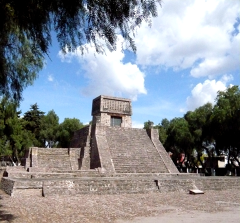
Aztec
Wikipedia
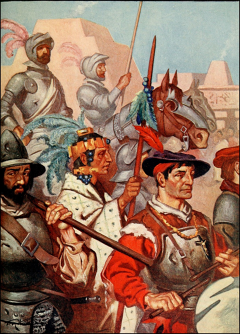
conquistador
Wikipedia

Tenochtitlan
Wikipedia

Cuauhtémoc
Wikipedia
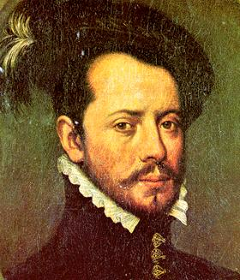
Hernán Cortés
Wikipedia
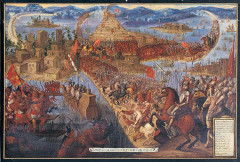
Fall of Tenochtitlan
Wikipedia

Tlatoani
Wikipedia

Fall of Tenochtitlan
Wikipedia

Conquistador
Wikipedia

Hernán Cortés
Wikipedia

Tlatoani
Wikipedia

Cuauhtémoc
Wikipedia

Aztecs
Wikipedia

Tenochtitlan
Wikipedia
Tenochtitlan
Wikipedia

New Spain
Wikipedia

Gonzalo Guerrero
Wikipedia

Spanish Empire
Wikipedia

Pueblo maya
Wikipedia

1470
Wikipedia

Mexico City
Wikipedia
What Else Happened on August 13
fecha de comienzo del calendario maya (que fue creado posiblemente en el siglo VI a. C.).
The Lounsbury correlation dates the start of the Maya Long Count calendar to August 13, 3114 BCE — a date calculated backward by correlating Maya astronomical r…
Octavian paraded through Rome in the first of three consecutive triumphs celebrating his Dalmatian campaigns of 35-33 BC. The spectacles showcased captured weap…
John I ascended to the papacy following the death of Hormisdas, inheriting a church deeply entangled in the politics of the Ostrogothic Kingdom. His brief tenur…
Emperor Justinian I issued the Pragmatic Sanction of 554 AD, rewarding the aging general Liberius with vast Italian estates for decades of service spanning mult…
Maurice ascended the Byzantine throne, inheriting a treasury drained by his predecessor’s wars and a military stretched thin by Persian and Avar incursions. His…
Talk to History
Have a conversation with historical figures who witnessed this era. Ask questions, explore perspectives, and bring history to life.