

Hedy Lamarr Patents Frequency Hopping: The Movie Star Who Invented WiFi
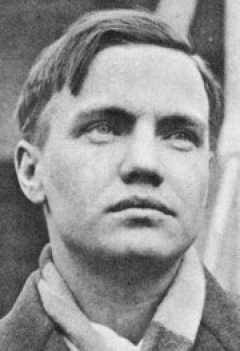
Hedy Lamarr and George Antheil secured a patent for their frequency-hopping spread spectrum system, a wartime anti-jumping device that directly enabled the development of modern Wi-Fi and cellular networks. Their invention transformed how we connect today by allowing signals to hop across frequencies faster than enemies could jam them, laying the technical foundation for every wireless conversation you make now.
August 11, 1942
84 years ago
Key Figures & Places





What Else Happened on August 11

The Mesoamerican Long Count calendar begins on a date corresponding to August 11, 3114 BCE in the Gregorian calendar. The Maya didn't choose this date at random…
Hayk the Great struck down the Babylonian tyrant Bel with a single arrow, shattering his army and securing the independence of the Armenian people. This victory…

The Battle of Artemisium in 480 BCE lasted three days and ended in a draw that got called a Persian victory. The Greek fleet absorbed punishment, gave some back…
Emperor Trajan formally annexed Dacia as a Roman province, securing the empire's control over the region's vast gold and silver mines. This conquest brought the…
Hadrian assumed control of the Roman Empire following Trajan’s death, inheriting a state stretched to its geographic limits by his predecessor’s conquests. He i…
Claudius Silvanus seized the imperial purple in Cologne after a campaign of slander by his rivals forced his hand against Constantius II. This desperate rebelli…
Talk to History
Have a conversation with historical figures who witnessed this era. Ask questions, explore perspectives, and bring history to life.