

Priestley Discovers Oxygen: The Gas That Keeps Us Alive
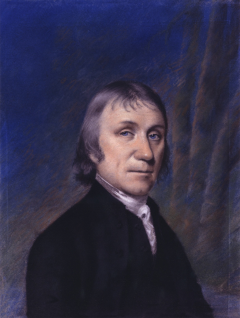
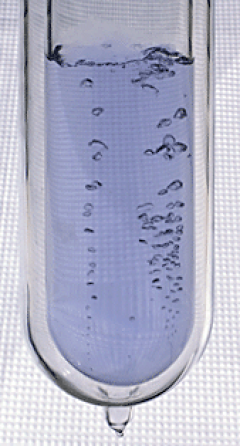
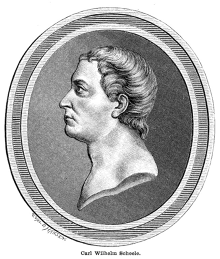
Joseph Priestley isolates oxygen gas in his laboratory, confirming Carl Wilhelm Scheele's earlier findings and shattering the long-held phlogiston theory that dominated chemistry. This breakthrough forces scientists to abandon outdated combustion models and lays the essential groundwork for modern chemical nomenclature and our understanding of respiration.
August 1, 1774
252 years ago
Key Figures & Places


What Else Happened on August 1
Octavian storms Alexandria on August 1, 30 BC, executing Marcus Antonius Antyllus and seizing the city for Rome. This decisive blow ends the final civil war, ex…

Octavian arrived in Alexandria and Cleopatra was already dead. She had killed herself three days earlier — asp or hairpin, the sources disagree. Mark Antony had…
In Rom werden zwei neue Leitungen zur Wasserversorgung, Aqua Claudia und Anio Novus, eingeweiht.
Gaius Julius Civilis, a Romanized Batavian officer, turned his military training against Rome and rallied the Germanic tribes of the lower Rhine into open revol…
Das Konzil von Arles verurteilt den in Nordafrika verbreiteten Donatismus und bestätigt die umstrittene Wahl des karthagischen Bischofs Caecilian. Ferner wird d…
el emperador Constantino I convoca el Concilio de Arlés.
Talk to History
Have a conversation with historical figures who witnessed this era. Ask questions, explore perspectives, and bring history to life.