

No Gun Ri Massacre Ends: US Army Killed 300 Korean Refugees
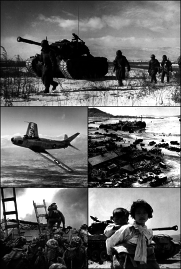
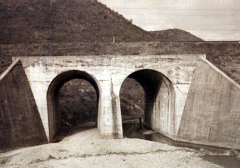
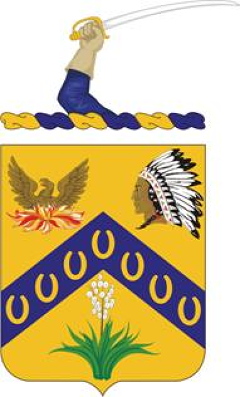
The shooting stopped on July 29th when the 7th Cavalry Regiment simply moved on. Four days. Between 250 and 300 South Korean refugees—mostly women and children—lay dead under a railroad bridge at No Gun Ri, killed by American soldiers who'd been warned about North Korean infiltrators disguised as civilians. The Army denied it happened for fifty years. Clinton apologized in 2001 after AP reporters found survivors and veterans who'd kept silent for decades. Turns out the first question in any war isn't who's the enemy—it's how you tell the difference.
July 26, 1950
76 years ago
Key Figures & Places


What Else Happened on July 26
K'inich Janaab' Pakal Ier dit Pakal monte sur le trône de Palenque.
Ninety thousand Muslims faced each other across the Euphrates near Siffin, cousin against cousin. Ali ibn Abu Talib, the Prophet's son-in-law and fourth caliph,…
Muslim forces under the Emirate of Córdoba crushed a coalition of Christian troops from Navarre and Léon at the Battle of Valdejunquera. This decisive victory r…
A medieval banquet hall at Henry VI's Hoftag suddenly collapsed on July 26, 1184, sending dozens of gathered nobles plunging into open sewage pits below. The tr…
Pope Clement V formally recognized Henry VII as King of the Romans, ending a period of imperial vacancy that had paralyzed central European politics. This papal…
In Florenz bricht ein Aufstand gegen den die Stadt diktatorisch regierenden Herzog von Athen, Walter VI. von Brienne, aus. Die Bürger verlangen die Abdankung un…
Talk to History
Have a conversation with historical figures who witnessed this era. Ask questions, explore perspectives, and bring history to life.