

First Permanent Transatlantic Telegraph Cable Completed
The first permanent transatlantic telegraph cable finally bridged the gap between Valentia Island and Heart's Content, collapsing a week-long delay into mere minutes for messages crossing the ocean. This feat instantly shrank the world by enabling real-time communication between Europe and North America, transforming global commerce and diplomacy from a slow process of weeks into an immediate exchange of information.
July 27, 1866
160 years ago
Key Figures & Places

Ireland
Wikipedia
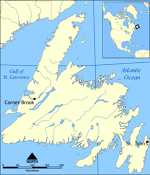
Newfoundland (island)
Wikipedia
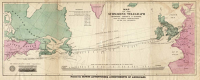
transatlantic telegraph cable
Wikipedia
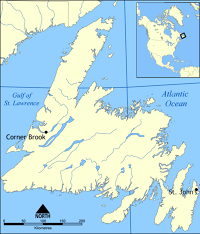
Heart's Content
Wikipedia
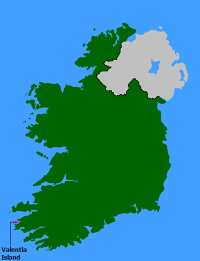
Valentia Island
Wikipedia

Transatlantic telegraph cable
Wikipedia

Valentia Island
Wikipedia

Heart's Content, Newfoundland and Labrador
Wikipedia

Newfoundland (island)
Wikipedia

Cable submarino
Wikipedia

Republic of Ireland
Wikipedia
What Else Happened on July 27
destrucción de Jerusalén y su templo por los ejércitos babilonios, incluido el consiguiente cautiverio que durará hasta el 538 a. C. (según el Segundo libro de …
Siward the Stout marched 10,000 men across the Firth of Forth hunting a king who'd ruled Scotland for fourteen years. Macbeth met him somewhere in the highlands…
The German Emperor arrived with 100,000 crusaders at a city that couldn't possibly feed them all. Friedrich Barbarossa's army descended on Niš in July 1189, and…
Georgian forces crushed the Sultanate of Rum at the Battle of Basian, securing their dominance over the Caucasus. This victory halted the westward expansion of …
Philip II of France crushed the coalition forces of King John of England and the Holy Roman Empire at the Battle of Bouvines, ending the Angevin Empire’s domina…
Nordhausen am Harz wird vom König und späterem Kaiser Friedrich II. zur Reichsstadt erhoben, was es bis zur Mediatisierung im Jahr 1802 bleiben wird.
Talk to History
Have a conversation with historical figures who witnessed this era. Ask questions, explore perspectives, and bring history to life.