

Potsdam Conference Begins: Churchill, Truman, and Stalin Plan the Postwar World
Churchill, Truman, and Stalin gathered in Potsdam to carve up the ruins of Nazi Germany, compelling the Allies to confront deepening ideological fractures that would harden into the Cold War. Their agreements on reparations and occupation zones established the physical and political boundaries of Europe for decades, turning a defeated enemy into a divided continent.
July 17, 1945
81 years ago
Key Figures & Places
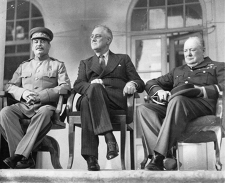
Allies of World War II
Wikipedia
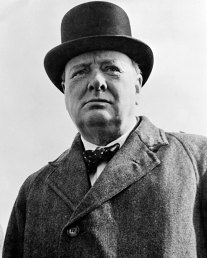
Winston Churchill
Wikipedia
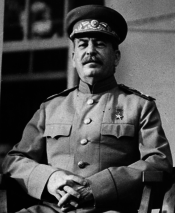
Joseph Stalin
Wikipedia
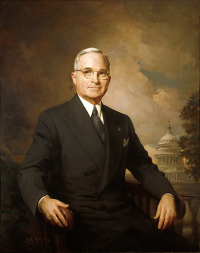
Harry S. Truman
Wikipedia
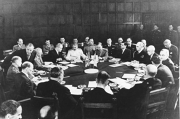
Potsdam Conference
Wikipedia
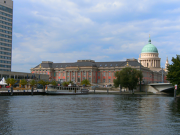
Potsdam
Wikipedia

Allies of World War II
Wikipedia

Winston Churchill
Wikipedia

Harry S. Truman
Wikipedia

Joseph Stalin
Wikipedia

Potsdam Conference
Wikipedia

Potsdam
Wikipedia

Germany
Wikipedia

Cecilienhof
Wikipedia
What Else Happened on July 17

Twelve people refused to sacrifice to Roman gods. That's it. That's what got them killed in Scillium, North Africa, on July 17, 180 AD. The proconsul Saturninus…
Twenty-three days. That's how long Damasus II held the papacy before dying in Palestrina, just outside Rome. Born Poppo of Brixen, he'd been handpicked by Emper…
en el actual Estado de Israel —en el marco de la Primera Cruzada— tercer día de masacre contra la población musulmana en Jerusalén (conquistada dos días antes p…
bataille de Fraga, victoire des Almoravides sur le roi d’Aragon Alphonse 1er le Batailleur.

The Crusaders weren't supposed to be there at all. They'd borrowed 85,000 silver marks from Venice to reach Egypt, couldn't pay, and got rerouted to Constantino…
الصالح أيوب يتولى حكم مصر بعد وفاة السلطان الكامل محمد بن العادل.
Talk to History
Have a conversation with historical figures who witnessed this era. Ask questions, explore perspectives, and bring history to life.