Live Aid Rocks the World: Music Fights Famine
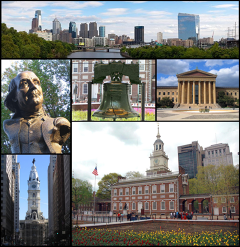
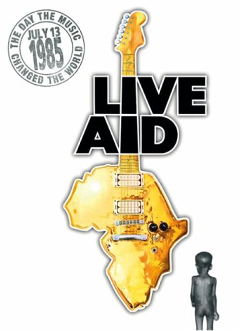
Bob Geldof bullied, begged, and shamed the music industry into staging the largest televised concert in history, and 1.9 billion people in 150 countries watched while an estimated $127 million poured in for Ethiopian famine relief. Live Aid ran simultaneously at Wembley Stadium in London and John F. Kennedy Stadium in Philadelphia on July 13, 1985, with satellite links connecting the two venues across eight time zones. The lineup read like a hall of fame: Queen, U2, Led Zeppelin, The Who, David Bowie, Mick Jagger, Madonna, Bob Dylan, and dozens more. Geldof, frontman of the Irish band The Boomtown Rats, had been radicalized by Michael Buerk's BBC News report on the Ethiopian famine in October 1984. Footage of skeletal children dying in feeding camps moved Geldof to organize the charity single "Do They Know It's Christmas?" which raised $14 million. But Geldof wanted something bigger, and he conceived Live Aid in just ten weeks, personally calling artists and using guilt as his primary recruitment tool. He told anyone who hesitated that children were dying while they debated their schedule. Queen's twenty-minute set at Wembley became the defining performance. Freddie Mercury commanded 72,000 people with a vocal warm-up call-and-response that is now considered the greatest live performance in rock history. The band had been declining commercially before Live Aid; their appearance revived their career overnight. U2's Bono leapt into the crowd during "Bad" and spent so long pulling a fan onstage that the band only played three songs, yet the emotional intensity made it their breakthrough moment in America. The event's legacy extends beyond the music. Live Aid established the modern template for celebrity-driven humanitarian fundraising, inspiring Farm Aid, Live 8, and countless benefit concerts. Critics later questioned whether the funds reached the intended recipients, and some aid was diverted by the Ethiopian government's forced resettlement programs. Geldof himself was blunt about the imperfections, but the concert proved that popular culture could mobilize global action at a scale previously reserved for governments.
July 13, 1985
41 years ago
Key Figures & Places
What Else Happened on July 13
Mario Götze volleyed home a precise strike in the 113th minute to secure Germany’s fourth World Cup title against Argentina. This victory made Germany the first…
English forces captured King William I of Scotland at Alnwick during the Revolt of 1173-1174, forcing him to sign the humiliating Treaty of Falaise. The treaty …
Eight-year-old Alexander III ascended the Scottish throne at Scone, following the sudden death of his father. His reign secured the independence of the Scottish…
Fifty knights in white mantles with red crosses lay dead in a Lithuanian marsh, their horses drowning beside them. The Livonian Order—those German crusaders who…
Zhu Di's forces seized Nanjing on July 13, 1402, compelling the city to surrender without resistance and vanishing the Jianwen Emperor from history. This decisi…
John of Kastav completed his intricate cycle of frescoes in the Holy Trinity Church, immortalizing the Danse Macabre in vivid detail. By depicting figures from …
Talk to History
Have a conversation with historical figures who witnessed this era. Ask questions, explore perspectives, and bring history to life.