

Perry's Black Ships Arrive in Japan: Open Up or Else
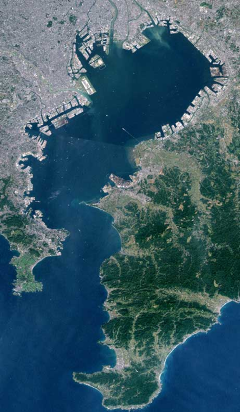
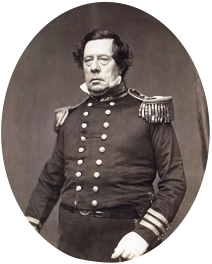
Four black warships materialized in Edo Bay carrying 967 men and 61 cannons—technology Japan's 250-year isolation policy hadn't prepared them for. Commodore Matthew Perry handed Japanese officials President Fillmore's letter requesting trade, then sailed away. He'd return in seven months for an answer. The Tokugawa shogunate, which had executed foreign traders and banned Christianity to preserve control, faced an impossible choice: accept Western demands or face bombardment. Within fifteen years, the shogun system collapsed entirely. Sometimes the most aggressive act is simply showing up and waiting.
July 8, 1853
173 years ago
Key Figures & Places
What Else Happened on July 8
en Palestina, unos 15 000 soldados cristianos hambrientos comienzan el asedio de Jerusalén marchando en una procesión religiosa alrededor de la ciudad mientras …
Während des Ersten Kreuzzugs ziehen die hungernden Kreuzfahrer zur Hebung ihrer Moral dreimal barfuß um die belagerte Stadt Jerusalem.

Fifteen thousand starving Crusader soldiers marched barefoot around Jerusalem's walls in a religious procession while Muslim defenders watched from the ramparts…
The Byzantine army slaughtered 15,000 Hungarian soldiers at Sirmium in a single afternoon. Manuel I Komnenos had lured King Stephen III's forces into the marshl…
Roger of Lauria's galleys trapped the Angevin relief fleet in Malta's Grand Harbor before a single soldier could disembark. June 8, 1283. The Provençal commande…
Der Vertrag von Kalisch beendet die Streitigkeiten zwischen Polens König Kasimir III. und dem Deutschordensstaat über Gebietsansprüche. Pommerellen, das Kulmerl…
Talk to History
Have a conversation with historical figures who witnessed this era. Ask questions, explore perspectives, and bring history to life.