

Nixon Visits China: The Cold War's Biggest Surprise
President Richard Nixon lands in Beijing to break decades of isolation and shake hands with Chairman Mao Zedong, instantly upending the global balance of power during the Cold War. This historic pivot pushes the Soviet Union into a defensive posture while opening trade channels that would eventually integrate China into the world economy.
February 21, 1972
54 years ago
Key Figures & Places
People's Republic of China
Wikipedia
President of the United States
Wikipedia
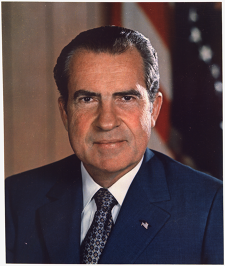
Richard Nixon
Wikipedia
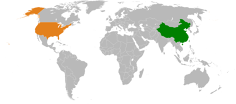
Sino-American relations
Wikipedia

Richard Nixon
Wikipedia

China–United States relations
Wikipedia

China
Wikipedia

United States
Wikipedia

Nicaragua
Wikipedia

Costa Rica
Wikipedia
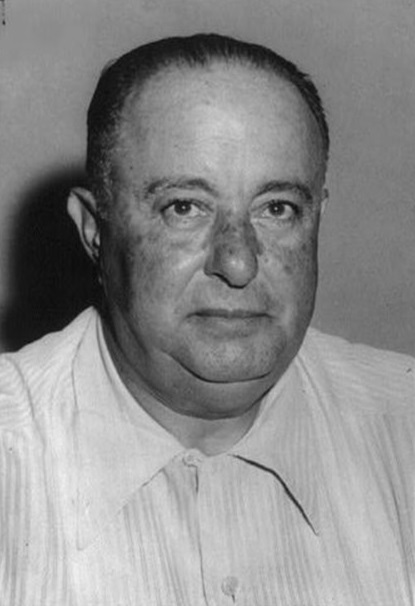
Anastasio Somoza García
Wikipedia

Nicaraguan National Guard
Wikipedia

Legación
Wikipedia

Asesinato
Wikipedia

Augusto César Sandino
Wikipedia
Santos López
Wikipedia

1972 visit by Richard Nixon to China
Wikipedia

Arthur Cook
Wikipedia

Shooting sports
Wikipedia

1948 Summer Olympics
Wikipedia

Northern Mariana Islands
Wikipedia

United States Virgin Islands
Wikipedia

Puerto Rico
Wikipedia

Samoa
Wikipedia
President
Wikipedia

Mao Zedong
Wikipedia

1895
Wikipedia

كيفين روز
Wikipedia
What Else Happened on February 21
Athanasius walked back into Alexandria after his third exile. He'd been bishop there since 328. He'd been thrown out in 336, 339, and 356. Three different emper…
en Egipto, san Atanasio regresa a Alejandría.
Severianus refused to hand over the church's sacred texts. Roman officials in Palestine had ordered all Christian bishops to surrender their scriptures for burn…
en China, la emperatriz Wu Zetian sufre un golpe de Estado y es obligada a abdicar a favor de su hijo.
Thomas resigned in 1245 after confessing to torture and forgery. He was Finland's first bishop. The job came with converting pagans who didn't want converting. …
Pierre de Tarentaise est élu 183e pape sous le nom d'Innocent V.
Talk to History
Have a conversation with historical figures who witnessed this era. Ask questions, explore perspectives, and bring history to life.