

North Korea Captures Seoul: The Capital Falls in 3 Days
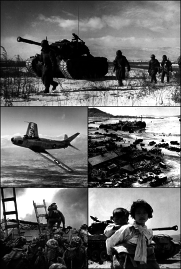
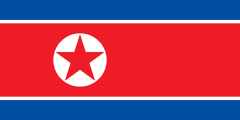
North Korean troops surged into Seoul on June 28, 1950, driving the South Korean government to flee south and triggering a desperate international intervention that would eventually draw in Chinese forces. This initial capture shattered any hope of a quick resolution, transforming a border skirmish into a brutal three-year stalemate that left the peninsula divided more deeply than before.
June 28, 1950
76 years ago
Key Figures & Places
What Else Happened on June 28
Crusader forces broke the siege of Antioch by routing Kerbogha’s army in a decisive field battle. This victory shattered the coalition of local Muslim rulers an…
en Roma, Sinibaldo Fieschi es elegido papa y asume con el nombre de Inocencio IV.
Muhammed VI seized the Nasrid throne in Granada by orchestrating the assassination of his brother-in-law, Ismail II. This violent coup fractured the ruling dyna…

Ottoman forces crushed the Serbian army on the Field of Kosovo, killing Prince Lazar and shattering organized resistance in the Balkans. The defeat opened south…
en España se hace público que el infante castellano Fernando de Trastámara es nombrado rey de Aragón, adoptando el nombre de Fernando I (Compromiso de Caspe).
Edward wasn't supposed to be king. He was 18 years old, six-foot-four, and had just watched his father's severed head get mounted on the gates of York with a pa…
Talk to History
Have a conversation with historical figures who witnessed this era. Ask questions, explore perspectives, and bring history to life.