

GI Bill Signed: FDR Transforms Veterans' Lives and American Education
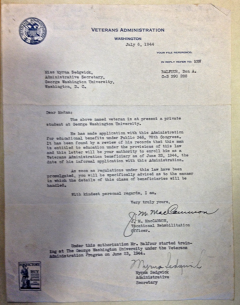
Sixteen million veterans were about to come home, and nobody had a plan. Roosevelt signed the G.I. Bill in June 1944 — almost quietly, no fanfare — and it rewired American society from the bottom up. Working-class men who'd never imagined college suddenly enrolled by the millions. Suburbs exploded. The middle class nearly doubled. But here's the reframe: the bill's local administration meant Black veterans were systematically denied those same benefits in the South. The greatest wealth-building law in American history didn't build it equally.
June 22, 1944
82 years ago
Key Figures & Places



What Else Happened on June 22
en Egipto, Eratóstenes midió por primera vez la circunferencia de la Tierra.

Ptolemy IV deployed 20,000 native Egyptian soldiers alongside his Greek troops to defeat Antiochus III's larger Seleucid army at Raphia, preserving Egyptian con…

Perseus had 44,000 men and the most feared infantry formation in the ancient world — the Macedonian phalanx. He lost anyway, in about an hour. Aemilius Paullus …
Nach der vergeblichen Belagerung von Ktesiphon während des Feldzugs des römischen Kaisers Julian gegen die Sassaniden kommt es zur Schlacht von Maranga, die une…
Bishops gathered in Ephesus to condemn Nestorius, formalizing the doctrine that Mary should be venerated as Theotokos, or Mother of God. This theological ruling…
second serment d'allégeance d'al-Aqaba.[réf. nécessaire]
Talk to History
Have a conversation with historical figures who witnessed this era. Ask questions, explore perspectives, and bring history to life.