American Mail Born: Goddard Creates the Postal System
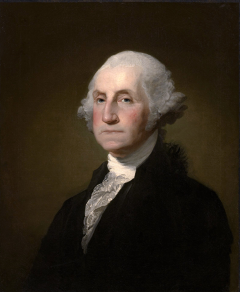
A printer from Providence, Rhode Island, built a postal network that helped win the American Revolution before the government he served even existed. William Goddard created the Constitutional Post in 1774 as a patriot alternative to the British Crown Post, whose royal postmasters were opening and reading colonial mail. When President George Washington signed the Postal Service Act on February 20, 1792, he formalized a system that Goddard had improvised from nothing — and added a radical provision that would shape American democracy: newspapers would be carried through the mail at subsidized rates. Goddard understood that communication was infrastructure. The Crown Post, run by Benjamin Franklin until he was fired in 1774, served British intelligence as much as colonial commerce. Letters between revolutionary leaders were intercepted regularly. Goddard’s alternative post, funded by subscription and staffed by patriot riders, gave the Continental Congress a secure communication network. Franklin, freed from his Crown appointment, became Postmaster General of the Constitutional Post in July 1775. The 1792 act did more than create a government department. It established that the federal government would build and maintain post roads connecting every settlement in the nation, not just the profitable routes between major cities. Crucially, it set newspaper postage at a fraction of letter rates, ensuring that political information would flow cheaply to every corner of the country. Alexis de Tocqueville, visiting America four decades later, marveled that frontier settlers in Michigan received the same newspapers as residents of New York. The postal system expanded with astonishing speed. By 1800, the United States had more post offices than Britain and France combined. By 1831, the Post Office was the largest organization in the country and the largest employer outside of agriculture. Postmaster General was a cabinet position of enormous patronage power. The mail system was, for most Americans, the only regular contact they had with the federal government. Washington signed a law creating a postal service, but what he actually built was the nervous system of a democracy — the mechanism by which a continent-spanning republic could function as a single political community.
February 20, 1792
234 years ago
Key Figures & Places
What Else Happened on February 20
The Visconti family was fighting itself. Lodrisio Visconti, exiled from Milan, hired the Company of St. George — 2,500 German mercenaries who'd never lost a bat…
King Christian I of Denmark pawned the Orkney and Shetland islands to Scotland to cover his daughter Margaret’s unpaid dowry. This desperate financial maneuver …
King Christian I of Denmark and Norway pledged the Orkney and Shetland islands to Scotland as collateral for his daughter Margaret’s dowry. When he failed to pa…
Ponce de León left Puerto Rico with 200 settlers, two ships, and a land grant from the Spanish Crown. He'd "discovered" Florida eight years earlier — meaning he…
Nine-year-old Edward VI received the crown at Westminster Abbey, becoming the first English monarch raised as a Protestant. His ascension accelerated the Englis…
Yohannan Sulaqa traveled to Rome to profess his Catholic faith, securing his ordination as the first Patriarch of the Chaldean Catholic Church. This formal unio…
Talk to History
Have a conversation with historical figures who witnessed this era. Ask questions, explore perspectives, and bring history to life.