Oda Nobunaga Falls: Japan's Power Vacuum Begins
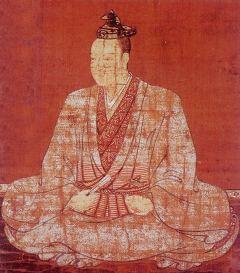
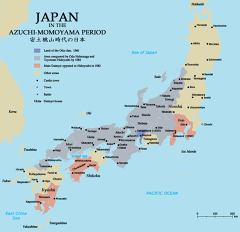
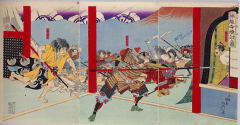
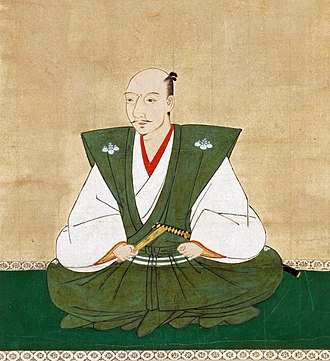
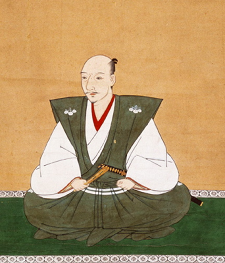
Thirteen thousand soldiers surrounded a Kyoto temple at dawn, and within hours, the most powerful warlord in Japan was dead. Akechi Mitsuhide, one of Oda Nobunaga’s most trusted generals, launched his betrayal at Honno-ji on June 21, 1582, attacking while Nobunaga rested with a guard of fewer than a hundred men. Nobunaga fought with a spear until wounded, then retreated into the burning temple and took his own life rather than be captured. Nobunaga had spent two decades unifying Japan through a combination of military genius, ruthless diplomacy, and technological innovation. He was the first Japanese commander to use massed firearms effectively in battle, and he had systematically crushed the Buddhist warrior monks and rival daimyo who stood between him and national unification. By 1582, he controlled roughly a third of Japan and seemed poised to complete the conquest. Mitsuhide’s motives remain one of Japanese history’s great mysteries. Some historians point to personal grievances, including alleged public humiliation by Nobunaga. Others suggest political calculation or possible connections to the imperial court. Whatever drove him, his reign as usurper lasted only thirteen days. Toyotomi Hideyoshi, another of Nobunaga’s generals, force-marched his army back from a western campaign and destroyed Mitsuhide’s forces at the Battle of Yamazaki on July 2. Hideyoshi seized the political vacuum left by both men, eventually completing Japan’s unification and launching invasions of Korea. The chain of succession from Nobunaga through Hideyoshi to Tokugawa Ieyasu produced 250 years of peace under the Tokugawa shogunate, but the path there ran directly through one general’s betrayal at a burning temple.
June 21, 1582
444 years ago
Key Figures & Places
What Else Happened on June 21
Hannibal hid 40,000 soldiers in fog. Not metaphorical fog — literal morning mist clinging to the hills above Lake Trasimene, where Gaius Flaminius marched his a…
King Godomar II routed the Frankish forces at the Battle of Vézeronce, securing a temporary reprieve for the Burgundian Kingdom. By killing the Merovingian prin…
Belisarius had 15,000 soldiers, no maps of the African coast, and a general who'd recently been relieved of command for insubordination. Not the obvious recipe …
Külüg Khan ascended the throne as the seventh Khagan of the Mongol Empire and third Emperor of the Yuan dynasty, ending a period of succession instability. His …
France had already lost Italy once. Now they lost it again — badly. At Landriano, a small town southeast of Milan, Spanish imperial forces under Antonio de Leyv…
Oda Nobunaga was mid-tea ceremony when his own general's army surrounded the temple. Akechi Mitsuhide — trusted, decorated, given no obvious reason to betray — …
Talk to History
Have a conversation with historical figures who witnessed this era. Ask questions, explore perspectives, and bring history to life.