

First Roller Coaster Opens at Coney Island: The Switchback Railway
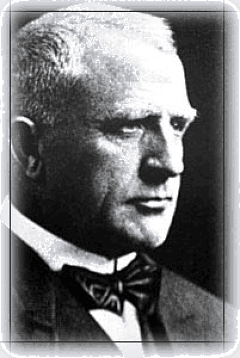
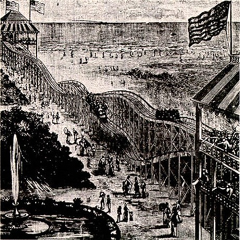
LaMarcus Adna Thompson's 1884 Switchback Railway launched America's first purpose-built amusement coaster, turning a six-cent thrill ride into a cultural phenomenon that redefined public leisure. This invention immediately sparked a rapid evolution in design, prompting Charles Alcoke to replace the back-and-forth track with an oval circuit and Phillip Hinkle to introduce forward-facing cars and lift systems just one year later.
June 16, 1884
142 years ago
Key Figures & Places
What Else Happened on June 16
Der assyrische König Asarhaddon greift mit einem Heer Ägypten an und gewinnt die erste Schlacht gegen die Streitmacht unter Pharao Taharqa. Zwei weitere Siege d…
el emperador Heliogábalo adopta como hijo a Alejandro Severo, y lo nombra César como su sucesor legítimo.
el emperador romano Juliano el Apóstata regresa del río Tigris y quema su flota. Durante su retirada, las fuerzas romanas sufren diferentes ataques de los persa…
Julian burned his own ships. Not the enemy's — his own 1,100-vessel supply fleet, torched on the Tigris because advisors convinced him they couldn't defend it d…
Yazdegerd III ascended the Sasanian throne at just eight years old, inheriting a Persian Empire already fractured by civil war and plague. His reign coincided w…
Der Mönch Suitbert, ein Missionar unter den Germanen, gründet auf einer Insel im Rhein ein Benediktinerkloster, das spätere Kaiserswerth, heute ein Stadtteil vo…
Talk to History
Have a conversation with historical figures who witnessed this era. Ask questions, explore perspectives, and bring history to life.