

Emperor Nero Kills Himself: The Last of Julius Caesar's Line
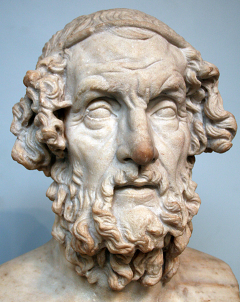
Nero ends his own life while reciting lines from Homer's Iliad, instantly collapsing the Julio-Claudian dynasty and plunging Rome into the chaotic Year of the Four Emperors. This sudden power vacuum triggers a brutal civil war where four different generals fight for control, shattering the illusion of stable imperial succession that had defined the first century of the empire.
June 9, 68
1958 years ago
Key Figures & Places
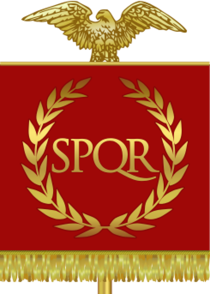
Roman Emperor
Wikipedia
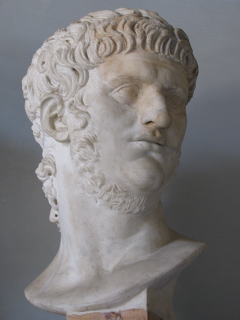
Nero
Wikipedia
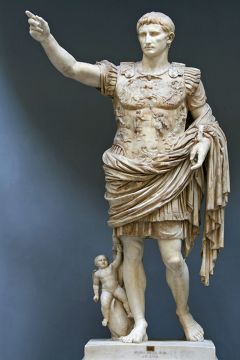
Julio-Claudian dynasty
Wikipedia
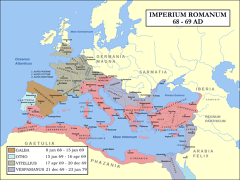
Year of the four emperors
Wikipedia
Homer
Wikipedia
AD 68
Wikipedia

Nero
Wikipedia

Virgil
Wikipedia

Aeneid
Wikipedia
Julio-Claudian dynasty
Wikipedia

Year of the Four Emperors
Wikipedia
AD 53
Wikipedia

Roman emperor
Wikipedia

Claudia Octavia
Wikipedia

Suicide
Wikipedia

Epafrodito
Wikipedia

Roman Senate
Wikipedia

Enemy of the people
Wikipedia

Ägypten in griechisch-römischer Zeit
Wikipedia
AD 37
Wikipedia
What Else Happened on June 9
Four hundred men seized Athens without a single battle. The coup of 411 BCE didn't topple democracy with swords — it toppled it with paperwork, fear, and a care…
Emperor Nero wed Claudia Octavia, the daughter of his predecessor Claudius, to solidify his tenuous claim to the imperial throne. This political union failed to…
She was 20 years old, locked in a room, waiting to die. Nero had already divorced her, exiled her to Pandateria — the same island where Augustus had banished hi…
Septimio Severo entra con sus tropas en Roma tras haber sido proclamado emperador.
Cao Cao lässt sich vom Kaiser Xian zum Kanzler ernennen.
Duke Odo of Aquitaine crushed the Umayyad Caliphate’s forces at the Battle of Toulouse, halting their northward expansion into Gaul. This decisive victory force…
Talk to History
Have a conversation with historical figures who witnessed this era. Ask questions, explore perspectives, and bring history to life.