

Lafayette Speaks at Bunker Hill: The French Hero Returns
Lafayette was 67 years old and hadn't seen America in 40 years when Congress invited him back for a grand farewell tour. He'd left as a young aristocrat chasing glory. He returned to find a country of 24 states that barely existed when he bled for it. Buffalo was barely a city — incorporated just two years earlier. But thousands showed up anyway. And when he spoke at what's now Lafayette Square, they named the square after him before he even left town. The man outlived the Revolution and became its living monument.
June 4, 1825
201 years ago
Key Figures & Places

American Revolutionary War
Wikipedia

French people
Wikipedia
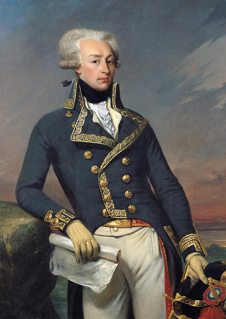
Gilbert du Motier, Marquis de Lafayette
Wikipedia

visit to the United States
Wikipedia
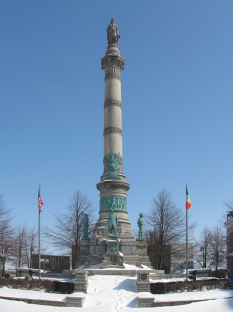
Lafayette Square, Buffalo
Wikipedia

Marquis de Lafayette
Wikipedia

American Revolutionary War
Wikipedia

Lafayette Square (Buffalo, New York)
Wikipedia

Buffalo, New York
Wikipedia

Visit of the Marquis de Lafayette to the United States
Wikipedia
What Else Happened on June 4
Chinese astronomers already knew it was coming. They'd tracked the sun for generations, mapped its moods, built careers on predicting its behavior. But when the…
بدء المعركة الأولى للإسلام في عهد الرسول محمد مع العالم المسيحي ممثلًا في الإمبراطورية البيزنطية.
Wegen seiner Ablehnung der durch Heinrich II. teilweise gewaltsam eingeführten Klosterreform von Gorze wird Branthog von Erzbischof Erkanbald von Mainz als Abt …
En Alpuente, Hisham III es proclamado califa de Córdoba, no pudiendo entrar en la capital, en manos de sus opositores, hasta 1029. Con su exilio a la zona de Lé…
Henry III was 22 years old when he inherited an empire stretching from Denmark to southern Italy — and he actually made it work. His father Conrad II left him a…
en Alemania Enrique III el Negro es coronado rey.
Talk to History
Have a conversation with historical figures who witnessed this era. Ask questions, explore perspectives, and bring history to life.