

Bulgarian Revolutionary Levski Hanged: Ottoman Empire Kills a Hero
Vasil Levski carried cyanide in a ring. He'd organized hundreds of radical committees across Bulgaria, but when Ottoman authorities caught him in 1873, he couldn't reach it in time. They hanged him near Sofia on February 19th. He was 35. The Ottomans buried him in an unmarked grave so it wouldn't become a shrine. It worked — nobody knows where his body is. Bulgaria calls him their Apostle of Freedom anyway.
February 18, 1873
153 years ago
Key Figures & Places

Bulgaria
Wikipedia
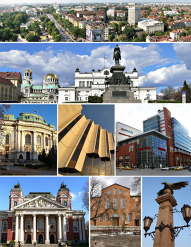
Sofia
Wikipedia
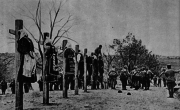
hanging
Wikipedia
Ottoman Empire
Wikipedia
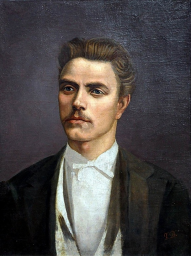
Vasil Levski
Wikipedia

Bulgaria
Wikipedia

Vasil Levski
Wikipedia

Hanging
Wikipedia

Sofia
Wikipedia

Ottoman Empire
Wikipedia

Internal Revolutionary Organization
Wikipedia
1837
Wikipedia

Abdülmecid I
Wikipedia

Chrétien
Wikipedia
What Else Happened on February 18
The Hindu calendar marks this as the moment Krishna left Earth. Kali Yuga — the age of darkness and discord — began at midnight between February 17 and 18, 3102…
The Kali Yuga began as the era of spiritual decline following the departure of Krishna from the earthly realm. This transition into the final age of the Hindu c…
Im Erbstreit um das Herzogtum Böhmen findet die Zweite Schlacht bei Chlumec statt. Der Přemyslide Soběslav I. siegt dabei über seinen Kontrahenten Otto II. von …
consécration du pape Eugène III.
Amaury Ier est couronné roi de Jérusalem après avoir répudié Agnès de Courtenay.

Frederick II got Jerusalem back by speaking Arabic with the Sultan over dinner. No battle. No papal blessing — the Pope had excommunicated him. Al-Kamil and Fre…
Talk to History
Have a conversation with historical figures who witnessed this era. Ask questions, explore perspectives, and bring history to life.