

Demon Core Kills a Physicist: Louis Slotin Tickles the Dragon's Tail
Physicist Louis Slotin dies just nine days after receiving a lethal dose of radiation while manually adjusting the "demon core" at Los Alamos. His death exposes the extreme, uncalculated dangers of early nuclear research and forces the Manhattan Project to immediately abandon all manual criticality experiments in favor of remote-controlled mechanisms.
May 21, 1946
80 years ago
Key Figures & Places

Los Alamos National Laboratory
Wikipedia
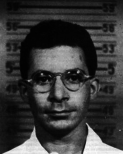
Louis Slotin
Wikipedia
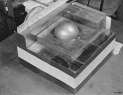
criticality incident
Wikipedia
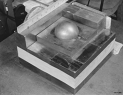
demon core
Wikipedia

Louis Slotin
Wikipedia
Criticality accident
Wikipedia
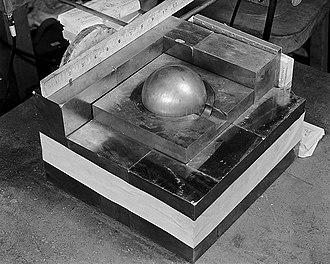
Demon core
Wikipedia

Los Alamos National Laboratory
Wikipedia
May 30
Wikipedia
August 21
Wikipedia

Plutonium
Wikipedia

Acute radiation syndrome
Wikipedia
What Else Happened on May 21
Criação do Shaka Samvat, o calendário nacional indiano.
Four rulers to control one empire—that was Diocletian's solution in 293, when running Rome from a single throne had become impossible. He kept the East, gave Ma…
The Aghlabid forces seized Syracuse after a brutal nine-month siege, ending Byzantine control over Sicily. This conquest consolidated Muslim rule across the isl…

The letter arrived in Latin, addressed to "Branimir, Duke of the Croats." Pope John VIII didn't just send blessings—he bypassed the Frankish bishops who'd claim…
كي نو تسورايوكي وفريقه ينتهون من تدوين كوكين واكاشو.
The youngest person ever crowned Holy Roman Emperor couldn't legally sign his own documents. Otto III needed his grandmother Theophanu to countersign everything…
Talk to History
Have a conversation with historical figures who witnessed this era. Ask questions, explore perspectives, and bring history to life.