

Constitutional Convention Scheduled to Open: Only a Few Delegates Show Up
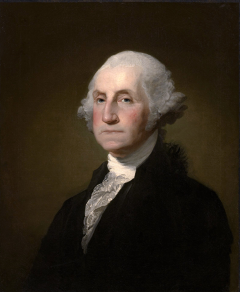
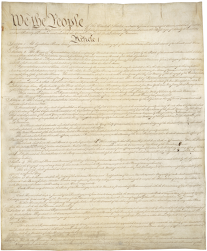
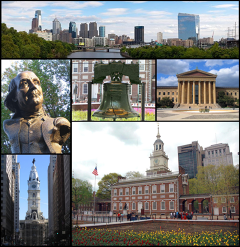
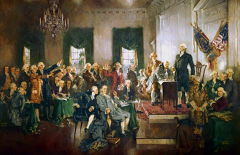
Delegates in Philadelphia hammered out a new framework for government under George Washington's presidency, replacing the failing Articles of Confederation with a document that established the three branches of the federal government we still use today. This gathering directly created the structural foundation for the United States, shifting power from loose state alliances to a unified national system capable of taxation and defense.
May 14, 1787
239 years ago
Key Figures & Places

What Else Happened on May 14
los vikingos, liderados por Oscherus (que en la mitología nórdica es llamado Asgeirr), empiezan a incursionar frecuentemente en el valle del río Sena, robando e…
Robert II was dying, and his kingdom was about to tear itself apart. The old Capetian king had already watched one son rebel against him—his firstborn Hugh, co-…
The Byzantine emperor's ships were already in the lake. Alexios I had secretly sailed a fleet overland—dragged on wheeled platforms, piece by piece—to cut off N…

Simon de Montfort's forces captured King Henry III at Lewes and compelled him to sign the Mise of Lewes, surrendering royal authority to a council of barons. De…
Die freie Reichsstadt Frankfurt am Main erleidet in der Schlacht bei Eschborn während der Kronberger Fehde im Städtekrieg die schwerste Niederlage ihrer Geschic…
The mellah in Fez had walls for a reason. When the Marinid sultan fell in 1465, those walls didn't hold. Rioters poured through during three days of upheaval th…
Talk to History
Have a conversation with historical figures who witnessed this era. Ask questions, explore perspectives, and bring history to life.