

Charleston Falls: Worst Continental Army Defeat of the Revolution
British forces seize Charleston, South Carolina, capturing over 5,000 Continental soldiers in the war's most devastating single loss for the Americans. This crushing blow effectively ends organized American resistance in the southern colonies for nearly two years and forces the Continental Army to retreat into Virginia.
May 12, 1780
246 years ago
Key Figures & Places
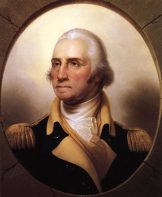
Continental Army
Wikipedia

Kingdom of Great Britain
Wikipedia
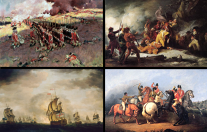
American Revolutionary War
Wikipedia

Charleston, South Carolina
Wikipedia

is taken
Wikipedia

American Revolutionary War
Wikipedia

Continental Army
Wikipedia

Charleston, South Carolina
Wikipedia

Siege of Charleston
Wikipedia

Benjamin Lincoln
Wikipedia

South Carolina
Wikipedia

Henry Clinton (British Army officer, born 1730)
Wikipedia
What Else Happened on May 12
en la ciudad de Farsalia (Grecia), Julio César anota que ha visto en el cielo una «bola de fuego llameante» (posiblemente un meteorito).
en Roma se inaugura la Columna de Trajano, diseñada por el arquitecto Apolodoro de Damasco para celebrar la conquista de Dacia (actual Rumania) por parte del em…
Pope Stephen I ascended to the papacy, inheriting a church deeply fractured by debates over whether to readmit Christians who had renounced their faith during R…
Stephen became pope in 254 and immediately decided that baptisms performed by heretics still counted. The Novatianists—rigorists who believed lapsed Christians …
Diocletian's executioner faced a kid who'd barely hit puberty. Fourteen-year-old Pancras refused to burn incense to Roman gods—a crime punishable by death durin…

Zhu Wen forces Emperor Ai to abdicate, shattering the Tang Dynasty's three-century grip on China and plunging the realm into the chaotic Five Dynasties period. …
Talk to History
Have a conversation with historical figures who witnessed this era. Ask questions, explore perspectives, and bring history to life.