Coca-Cola Sells First: A Global Brand Is Born
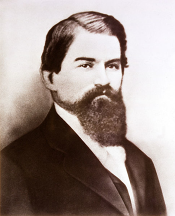
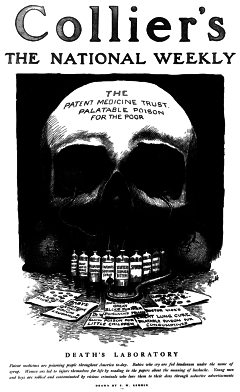
John Pemberton was a morphine addict looking for a cure. The Atlanta pharmacist and former Confederate cavalry officer had been wounded at the Battle of Columbus in 1865 and spent two decades chasing relief through patent medicines, many of which he formulated himself. On May 8, 1886, he began selling a new syrup at Jacob's Pharmacy in downtown Atlanta, mixed with carbonated water and offered as a remedy for headaches and nervous conditions. He called it Coca-Cola. The original formula contained extracts from two plants: coca leaves, the source of cocaine, and kola nuts, which provided caffeine. Pemberton's bookkeeper, Frank Robinson, suggested the name and wrote it in the flowing Spencerian script that remains the brand's logo. Early advertisements promoted the drink as an "intellectual beverage" and "brain tonic." First-day sales at Jacob's Pharmacy amounted to roughly nine servings, generating about $3.50 in revenue against $73.96 in advertising costs. Pemberton was dying. Addicted to morphine and in declining health, he began selling shares of his Coca-Cola formula to various Atlanta businessmen. By the time he died in August 1888, he had sold most of his interest. Asa Griggs Candler, an Atlanta druggist with a sharper business mind, acquired the remaining rights through a series of purchases totaling about $2,300 and incorporated the Coca-Cola Company in 1892. Candler transformed Coca-Cola from a soda fountain curiosity into a national brand through aggressive marketing. He distributed free drink coupons, plastered the logo on calendars, clocks, and serving trays, and established a network of regional bottlers. The cocaine was removed from the formula around 1903, replaced by a decocainized coca leaf extract that remains an ingredient. Coca-Cola became the most widely distributed commercial product on Earth. During World War II, the company built 64 bottling plants overseas to supply American troops, establishing the global infrastructure that made it a postwar cultural icon. From a single pharmacy counter in Atlanta, a morphine addict's failed headache cure became a brand valued at over $80 billion and consumed in more than 200 countries.
May 8, 1886
140 years ago
Key Figures & Places
What Else Happened on May 8
The Zhi family thought they'd won when they flooded Jinyang's walls—until the Zhao and Wei families switched sides mid-siege and turned those same waters agains…
The emperor who famously cared more about his chickens than his empire signed tax relief for seven Italian provinces in 413—after the Visigoths had already burn…
The bishops who walked into Toledo that May carried weapons under their robes. Visigothic Arianism had ruled Spain for two centuries—father and son weren't the …
King Reccared I convened the Third Council of Toledo to formally renounce his Arian faith in favor of Nicene Christianity. This conversion unified the Visigothi…
King Edward III and King John II halted the Hundred Years' War by signing the Treaty of Brétigny, granting England sovereignty over vast swathes of southwestern…
She asked for death and got sixteen visions instead. Julian of Norwich, thirty years old and desperately ill in May 1373, received last rites from her priest. T…
Talk to History
Have a conversation with historical figures who witnessed this era. Ask questions, explore perspectives, and bring history to life.