Nylon Patented: Carothers Revolutionizes Materials
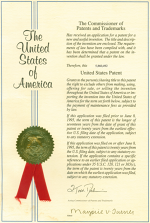
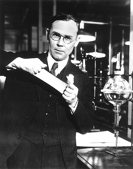
The molecule that replaced silk, revolutionized warfare, and launched the modern plastics industry was invented by a man who would not live to see any of it. Wallace Carothers, a brilliant organic chemist plagued by severe depression, synthesized the first nylon polymer at DuPont’s research laboratory and received the patent on February 16, 1937. He killed himself with a cyanide capsule in a Philadelphia hotel room fourteen months later, at the age of 41. DuPont hired Carothers from Harvard in 1928, giving him something almost unheard of in corporate research: freedom to pursue basic science without immediate commercial pressure. Carothers was interested in polymerization — how small molecules could be linked into long chains. His team produced neoprene synthetic rubber in 1931, already a commercial success, but Carothers kept pushing. In 1935, his researchers synthesized polyamide 6,6 by combining adipic acid and hexamethylene diamine. The resulting fiber could be drawn into strong, elastic threads that resisted abrasion and moisture. They called it "fiber 66." DuPont called it nylon. DuPont introduced nylon stockings at the 1939 World’s Fair. When they went on general sale on May 15, 1940, four million pairs sold in four days. Women who had been paying premium prices for silk stockings that snagged and ran could suddenly buy hosiery that lasted. Then Pearl Harbor redirected all nylon production to the military. Parachutes, tire cords, ropes, tents, ponchos, and flak vests consumed every pound DuPont could produce. Nylon parachutes alone saved thousands of lives. After the war, nylon returned to the consumer market and became the foundation of the synthetic fiber industry. It made possible everything from toothbrush bristles to carpet to guitar strings. DuPont’s nylon revenue exceeded $25 billion over the life of the patent, making it one of the most commercially successful inventions in history. The material that defined the modern consumer economy was created by a man so consumed by despair that he carried his own poison in his pocket.
February 16, 1937
89 years ago
Key Figures & Places
What Else Happened on February 16
Trajan sent laurel-wrapped letters to the Senate in 116 CE announcing he'd conquered Parthia. Rome's eastern frontier had been a problem for 150 years. Augustus…
Andrew of Longjumeau departed on a diplomatic mission to the Mongol Empire in 1249, dispatched by King Louis IX of France with a proposal that would have reshap…
Lithuanian forces crushed the Livonian Order on the frozen surface of the Baltic Sea, killing the Grand Master Otto von Lutterberg. This victory halted the Orde…
Hendrick Lonck and his Dutch West India Company fleet seized the sugar-rich port of Olinda, dismantling Portuguese control over the Brazilian coastline. This bo…
Parliamentary forces crushed the Royalist army at the Battle of Torrington, shattering the King’s last significant field force in the West Country. This decisiv…
The Holy Roman Emperor issued the Leopoldine Diploma in 1699, making Greek Catholic priests equal to Roman Catholics in Transylvania. Sounds bureaucratic. It wa…
Talk to History
Have a conversation with historical figures who witnessed this era. Ask questions, explore perspectives, and bring history to life.