Carter Opens Tutankhamun's Tomb: Ancient Treasures
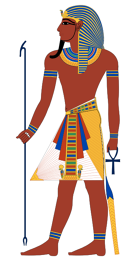
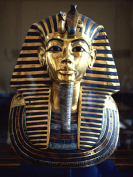
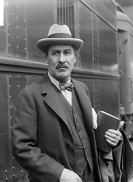
Howard Carter pried open a sealed doorway in Egypt’s Valley of the Kings on February 16, 1923, and peered into a burial chamber that had been untouched for 3,245 years. Inside sat the largest intact collection of ancient Egyptian artifacts ever discovered, including a nest of four gilded shrines surrounding the stone sarcophagus of Pharaoh Tutankhamun, who had died at approximately 19 years old around 1323 BC. The discovery made Carter the most famous archaeologist in the world and Tutankhamun the most recognized pharaoh in history. Carter had been searching the Valley of the Kings for years, funded by Lord Carnarvon, a wealthy English aristocrat. By 1922, Carnarvon was ready to stop financing what appeared to be a fruitless excavation. Carter persuaded him to fund one final season. On November 4, 1922, a water boy stumbled on a stone step buried in the sand. Twelve days of digging revealed a sealed doorway bearing Tutankhamun’s cartouche. Carter sent Carnarvon a now-famous telegram: "At last have made wonderful discovery in Valley." The tomb contained four chambers packed with over 5,000 objects: golden chariots, ceremonial weapons, furniture, clothing, food, wine, and jewelry. The burial chamber, opened on February 16 before a small audience of officials and dignitaries, held the stone sarcophagus containing three nested coffins. The innermost coffin was solid gold, weighing 110 kilograms, and held the mummy of the king wearing the iconic gold death mask that became the universal symbol of ancient Egypt. The discovery triggered a global sensation. "Egyptomania" swept the Western world, influencing art, architecture, fashion, and film. Lord Carnarvon died from an infected mosquito bite less than two months after the opening, spawning tabloid stories about the "Curse of the Pharaohs" that persist to this day. Carter spent the next decade cataloging the contents. A minor pharaoh who ruled for less than ten years and accomplished little of note became, through the accident of an intact tomb, the most famous king in the history of civilization.
February 16, 1923
103 years ago
Key Figures & Places
What Else Happened on February 16
Trajan sent laurel-wrapped letters to the Senate in 116 CE announcing he'd conquered Parthia. Rome's eastern frontier had been a problem for 150 years. Augustus…
Andrew of Longjumeau departed on a diplomatic mission to the Mongol Empire in 1249, dispatched by King Louis IX of France with a proposal that would have reshap…
Lithuanian forces crushed the Livonian Order on the frozen surface of the Baltic Sea, killing the Grand Master Otto von Lutterberg. This victory halted the Orde…
Hendrick Lonck and his Dutch West India Company fleet seized the sugar-rich port of Olinda, dismantling Portuguese control over the Brazilian coastline. This bo…
Parliamentary forces crushed the Royalist army at the Battle of Torrington, shattering the King’s last significant field force in the West Country. This decisiv…
The Holy Roman Emperor issued the Leopoldine Diploma in 1699, making Greek Catholic priests equal to Roman Catholics in Transylvania. Sounds bureaucratic. It wa…
Talk to History
Have a conversation with historical figures who witnessed this era. Ask questions, explore perspectives, and bring history to life.