

Scotland Rebels Against England: First War of Independence Begins
English forces under John de Warenne crush John Balliol's Scottish army at the Battle of Dunbar, shattering Scotland's first organized resistance to Edward I. This decisive victory allows England to seize control of the kingdom and install a puppet government, plunging the nation into years of brutal occupation that sparks the guerrilla campaigns led by William Wallace and Robert the Bruce.
April 27, 1296
730 years ago
Key Figures & Places
Scotland
Wikipedia
Kingdom of England
Wikipedia
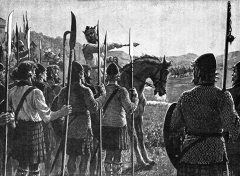
First War of Scottish Independence
Wikipedia
Battle of Dunbar (1296)
Wikipedia
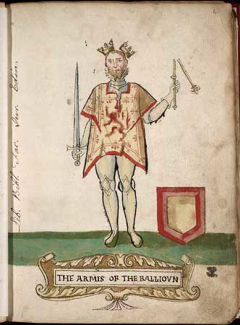
John Balliol
Wikipedia
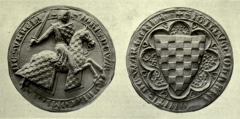
John de Warenne, 6th Earl of Surrey
Wikipedia

First War of Scottish Independence
Wikipedia

John Balliol
Wikipedia

John de Warenne, 6th Earl of Surrey
Wikipedia
Battle of Dunbar (1296)
Wikipedia

Wars of Scottish Independence
Wikipedia

Edward I
Wikipedia
What Else Happened on April 27
Three hundred captured Iberians stood in chains as Philippus paraded them through Rome's dust, a spectacle for his step-brother Octavian who watched from the cr…
Lúcio Márcio Filipo, meio-irmão do futuro imperador Augusto, comemora um triunfo por suas vitórias no período em que serviu como governante em uma das província…
Coins bore his face, not Rome's god. Philip spent fortunes on twenty days of games while legions mutinied on the frontier. He tried to buy a millennium that was…
She brought Frankish steel to Constantinople's silk halls. In 395, Arcadius wed Aelia Eudoxia, daughter of general Flavius Bauto. But she didn't just sit on a t…
The crown sat heavy on Shahrbaraz's head, but his victory tasted like ash from a burning Ctesiphon. After six years of civil war and a dead emperor, he'd traded…
Schahr-Barâz devient roi de l'empire perse (et donc empereur).
Talk to History
Have a conversation with historical figures who witnessed this era. Ask questions, explore perspectives, and bring history to life.