Pony Express Reaches San Francisco: Mail Flies Across the West
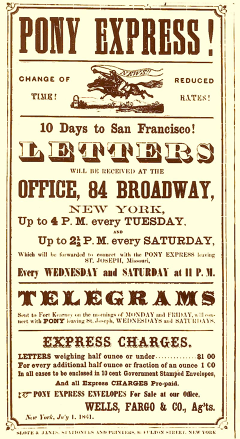
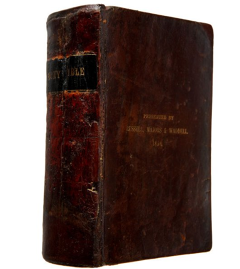
The first westbound Pony Express rider galloped into San Francisco on April 14, 1860, completing the 1,966-mile route from St. Joseph, Missouri, in nine days and twenty-three hours. The delivery shaved weeks off the typical mail transit time across the American West, proving that a relay system of fast horses and fearless riders could bridge the vast emptiness between the settled East and the gold-rush communities of California. Letters that had taken three weeks by stagecoach now arrived in under ten days. The Pony Express was the creation of William H. Russell, Alexander Majors, and William B. Waddell, partners in a freight company that had already built a transportation network across the plains. They established 190 relay stations roughly ten to fifteen miles apart across the most unforgiving terrain in North America, through the Great Plains, over the Rocky Mountains, across the Great Basin desert, and through the Sierra Nevada. Each rider covered 75 to 100 miles per stage, changing horses at every station, carrying mail in a leather pouch called a mochila that could be transferred between saddles in seconds. The riders were young, light, and brave. The famous recruitment advertisement, possibly apocryphal, read: "Wanted: Young, skinny, wiry fellows not over eighteen. Must be expert riders, willing to risk death daily. Orphans preferred." Among the roughly 80 riders employed over the service's life were Robert "Pony Bob" Haslam, who once rode 380 miles in 36 hours through hostile Paiute territory, and the young William Cody, later famous as Buffalo Bill. The Pony Express captured the American imagination but destroyed its investors. The service lost roughly $200,000 during its eighteen months of operation, with the cost of maintaining stations, horses, and riders far exceeding the five dollars per half-ounce delivery fee. The completion of the transcontinental telegraph on October 24, 1861, rendered the Pony Express instantly obsolete, and the service shut down two days later. Its entire operational life lasted just nineteen months, but it remains one of the most enduring symbols of the American frontier.
April 14, 1860
166 years ago
Key Figures & Places
What Else Happened on April 14
Gaius Pansa's men didn't just win; they bled out in mud near Mutina, their commander dying of wounds hours after victory. The Senate cheered while Antony's legi…
Antony's cavalry smashed Pansa's line, leaving the consul dead in the mud at Forum Gallorum. But Hirtius arrived before the sun set, forcing a stalemate that co…
Vitellius's Rhine legions crushed Emperor Otho's forces at the Battle of Bedriacum in northern Italy, with Otho committing suicide rather than prolonging the ci…
Titus, son of Emperor Vespasian, encircled Jerusalem with four Roman legions, beginning a five-month siege that culminated in the destruction of the Second Temp…
The Danubian legions declared Septimius Severus emperor, triggering a brutal civil war that dismantled the remnants of the Nerva-Antonine dynasty. By seizing th…
Mieszko I didn't just pick a new god; he picked a wife to save his kingdom. In 966, the Polish ruler wed Czech princess Dobrawa, trading his old pagan rituals f…
Talk to History
Have a conversation with historical figures who witnessed this era. Ask questions, explore perspectives, and bring history to life.