

Edo Castle Surrendered: The Tokugawa Shogunate Falls
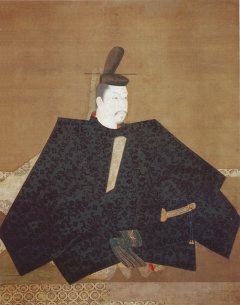
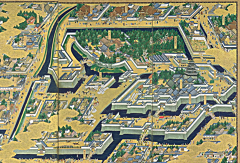
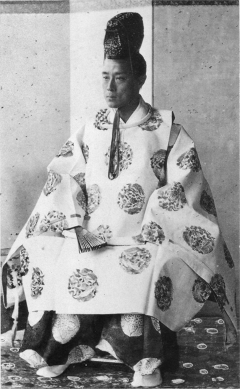
Saigo Takamori rode into Edo Castle without firing a shot, ending 268 years of Tokugawa military rule over Japan. The bloodless surrender on April 11, 1868, was negotiated between Saigo, commander of the imperial forces, and Katsu Kaishu, the shogunate's most capable naval administrator, who recognized that defending the castle would destroy the city of over a million people and accomplish nothing. Katsu chose pragmatism over honor, and the last Tokugawa shogun, Yoshinobu, chose survival over a final stand. The Meiji Restoration had been building for years. Western gunboat diplomacy, beginning with Commodore Perry's arrival in 1853, had exposed the shogunate's inability to defend Japan against foreign powers. The powerful southwestern domains of Satsuma, Choshu, Tosa, and Hizen formed an alliance around the young Emperor Meiji, arguing that only a centralized imperial government could modernize Japan quickly enough to resist colonization. Edo Castle, the largest fortress complex in the world, had served as the seat of Tokugawa power since 1603. Its surrender transferred not just a building but the administrative apparatus of the entire country. The Tokugawa bureaucracy had governed through a rigid feudal hierarchy of roughly 260 daimyo domains, each maintaining their own armies and tax systems. The new Meiji government would systematically dismantle this structure, abolishing the samurai class, creating a conscript army, and establishing a modern centralized state. Japan's transformation over the following decades astonished the world. Within a generation, the country went from feudal isolation to industrial power, defeating China in 1895 and Russia in 1905. The peaceful handover of Edo Castle made this rapid modernization possible by preserving the capital city and its administrative infrastructure intact, giving the new government the tools to rebuild the nation from the inside rather than from rubble.
April 11, 1868
158 years ago
Key Figures & Places



What Else Happened on April 11
She handed him a crown he'd never asked for, then demanded he count every coin in the treasury before accepting. Anastasius didn't just inherit a throne; he inh…
King Bolesław II of Poland ordered the execution of Bishop Stanislaus of Kraków after a bitter dispute over land and the monarch's moral conduct. This act of vi…
Batu Khan’s Mongol forces crushed King Béla IV’s army at the Battle of Muhi, shattering the Hungarian military and leaving the kingdom defenseless against a bru…
Gaston de Foix led a Franco-Ferrarese army to a bloody victory over Papal-Spanish forces at Ravenna, the deadliest battle in Europe since antiquity, with over 1…
Gaston de Foix crushed the Spanish and Papal armies at the Battle of Ravenna, utilizing mobile field artillery to shatter enemy infantry formations. While the F…
They dug into the mud near Ceresole and didn't stop until the Spanish pikes shattered. Francis I's troops crushed 12,000 men, leaving a mountain of dead that sm…
Talk to History
Have a conversation with historical figures who witnessed this era. Ask questions, explore perspectives, and bring history to life.