

Attila the Hun Sacks Metz: Gaul Burns as Rome's Shield Fails
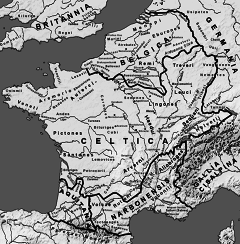
Attila the Hun's forces devastated Metz and swept through Gaul, shattering Roman defenses and driving local populations to flee for their lives. This brutal campaign terrified Western Europe into realizing that imperial armies alone could not stop the Huns, prompting a desperate coalition of Romans and Visigoths to unite at the Battle of the Catalaunian Plains.
April 7, 451
1575 years ago
Key Figures & Places

What Else Happened on April 7
Babylonische Astronomen protokollieren ihre Beobachtungsergebnisse der Mondfinsternis vom 6./7. April.
Primer Viernes Santo, según varios exégetas.
Attila the Hun razed the city of Metz, slaughtering its inhabitants and incinerating the structures in a brutal display of force. This devastation forced the Ro…

Emperor Justinian I ordered the compilation and issuance of the Corpus Juris Civilis, a massive legal codification that swept away centuries of conflicting Roma…
King Uneh Chan of Calakmul shattered the defenses of Palenque, plunging the rival city-state into a period of political chaos and architectural stagnation. This…
el rey maya Uneh Chan de Calakmul saquea la ciudad-estado rival Palenque en el sur de México.
Talk to History
Have a conversation with historical figures who witnessed this era. Ask questions, explore perspectives, and bring history to life.