

Whitechapel Murders Begin: Jack the Ripper Terror Starts
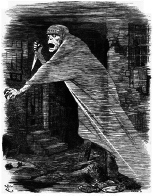
Emma Elizabeth Smith staggered into London Hospital on April 3, 1888, with injuries inflicted by a group of men who had attacked her on Osborn Street in Whitechapel. She died the following day from peritonitis caused by a blunt object forced into her body. Smith became the first of eleven women murdered in London's East End between 1888 and 1891, a sequence that became known as the Whitechapel murders and produced history's most infamous unidentified serial killer: Jack the Ripper. Whitechapel in 1888 was one of the most impoverished districts in the British Empire. Over 1,200 women worked as prostitutes in the area, many of them sleeping in common lodging houses or on the street. Immigration from Eastern Europe and Ireland had swollen the population beyond the capacity of the district's crumbling infrastructure. Cholera, tuberculosis, and malnutrition were endemic. The police presence was minimal, and violence against women attracted little official attention. The five "canonical" Ripper victims, Mary Ann Nichols, Annie Chapman, Elizabeth Stride, Catherine Eddowes, and Mary Jane Kelly, were murdered between August 31 and November 9, 1888, in an eleven-week spasm of escalating brutality. The killer displayed anatomical knowledge, removing organs from several victims with surgical precision. The "Dear Boss" letter, sent to the Central News Agency on September 25, introduced the name "Jack the Ripper" and promised further killings. Scotland Yard received hundreds of letters claiming responsibility, most of them hoaxes. The investigation exposed systemic failures in Victorian policing. The Metropolitan Police and the City of London Police had overlapping jurisdictions in the murder area and refused to cooperate effectively. Detectives had no forensic tools beyond basic observation. Photography of crime scenes was in its infancy. The police interviewed thousands of suspects and arrested dozens, but the case remained unsolved. Over 100 suspects have been proposed in the 137 years since the murders, and the killer's identity remains unknown, making Jack the Ripper the world's most enduring criminal mystery.
April 3, 1888
138 years ago
Key Figures & Places



What Else Happened on April 3
Roman consul Publius Postumius Tubertus marched his legions against the Sabines and won a decisive enough victory to earn an ovation, a lesser triumph recorded …
He didn't just take a crown; he grabbed Calakmul's fate by the throat in 686. Yuknoom Yich'aak K'ahk' stepped onto the throne while rival Tikal burned, sparking…
He arrived at Westminster Abbey with only one thing left: his crown. Edward, known for his piety and poverty, didn't just sit on a throne; he sat among men who'…
A bishop named Sighardolfo didn't just get a title; he got 2,000 soldiers and a jagged strip of land from Emperor Henry IV. But that power came with blood. For …
No one expected a duke to hand over his crown like a birthday gift. In 1077, Emperor Henry IV gave Friuli's lands directly to Patriarch Sighard, creating the fi…
Catherine de' Medici traded her daughter for peace, handing over Calais to Spain in exchange for French control of three Italian bishoprics. After thirty years …
Talk to History
Have a conversation with historical figures who witnessed this era. Ask questions, explore perspectives, and bring history to life.