

American Flag First Recognized by a Foreign Ship: France Salutes
French Admiral Toussaint-Guillaume Picquet de la Motte fired a nine-gun salute to the USS Ranger commanded by John Paul Jones, the first time a foreign naval vessel formally recognized the American flag. This symbolic act confirmed France's willingness to treat the fledgling United States as a sovereign nation, bolstering American morale and foreshadowing the Franco-American alliance that proved decisive in the Radical War.
February 14, 1778
248 years ago
Key Figures & Places

France
Wikipedia
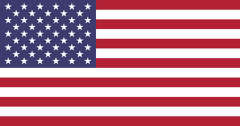
United States Flag
Wikipedia
Admiral
Wikipedia
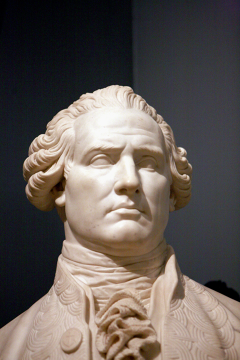
Toussaint-Guillaume Picquet de la Motte
Wikipedia

USS Ranger (1777)
Wikipedia
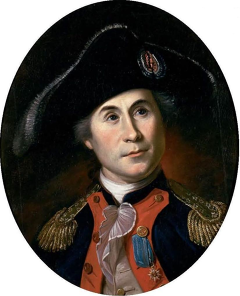
John Paul Jones
Wikipedia

Flag of the United States
Wikipedia

Naval ship
Wikipedia
Admiral
Wikipedia

Toussaint-Guillaume Picquet de la Motte
Wikipedia

USS Ranger (1777)
Wikipedia

John Paul Jones
Wikipedia

John Paul Jones (musician)
Wikipedia

John Jervis, 1st Earl of St Vincent
Wikipedia

Kingdom of Great Britain
Wikipedia
Commodore (rank)
Wikipedia

Horatio Nelson, 1st Viscount Nelson
Wikipedia

Battle of Cape St. Vincent (1797)
Wikipedia

War of the First Coalition
Wikipedia

Spanish Navy
Wikipedia
What Else Happened on February 14
Gunmen stormed the village of Ngarbuh in Cameroon’s Northwest Region, killing at least 22 civilians, including 14 children. This massacre intensified the ongoin…
A Roman priest kept marrying couples after the emperor banned marriage. Claudius II needed soldiers, decided love made men weak, and outlawed weddings empire-wi…
Abu Muslim Khorasani took Merv with an army that wasn't Arab. Persian converts, freed slaves, non-tribal soldiers — everyone the Umayyads had spent a century ta…
Two brothers stood in Strasbourg and swore loyalty oaths to each other's armies — but here's the thing: Charles spoke German to Louis's troops, and Louis spoke …
Lithuania appears in writing for the first time in 1009 — a single line in a German monastery's records. A missionary named Bruno was killed "on the border of R…
en los anales de Quedlinburg se menciona por primera vez al país de Lituania.
Talk to History
Have a conversation with historical figures who witnessed this era. Ask questions, explore perspectives, and bring history to life.