

Three Mile Island Melts Down: America's Worst Nuclear Accident
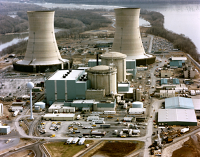
Stuck valves and confused operators triggered a partial nuclear meltdown at Pennsylvania's Three Mile Island plant, releasing radioactive gases into the environment. This disaster crystallized public fear, sparked new federal regulations, and effectively halted the construction of new reactors in the United States for decades. Cleanup eventually cost $1 billion, yet studies found no causal link between the release and increased cancer rates nearby.
March 28, 1979
47 years ago
Key Figures & Places
What Else Happened on March 28
el pueblo helvético comienza a migrar (debido a la guerra de la República romana contra la Galia).
The Roman Senate formally invested Caligula with the full powers of the Principate following the death of Tiberius, consolidating absolute authority in the hand…

The Roman throne went to the highest bidder. After murdering Emperor Pertinax in March 193, the Praetorian Guards literally auctioned off the empire from their …
The Praetorian Guards literally auctioned the Roman Empire to the highest bidder. After murdering Emperor Pertinax in March 193 CE, they stood on their camp wal…
Emperor Valentinian I elevated his brother Valens to co-emperor at Constantinople, formally dividing the Roman Empire into western and eastern halves to address…

Charles the Bald paid 7,000 pounds of silver to make the Vikings go away. The Frankish king watched Ragnar Lodbrok's 120 longships sail up the Seine on Easter S…
Talk to History
Have a conversation with historical figures who witnessed this era. Ask questions, explore perspectives, and bring history to life.