

Tange Dies: Architect Who Rebuilt Japan's Identity
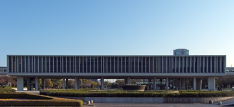
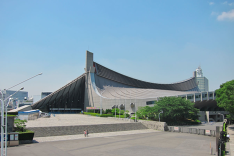
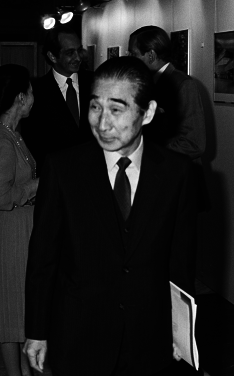
Kenzo Tange designed the building that told postwar Japan it could still dream big. His Yoyogi National Gymnasium, built for the 1964 Tokyo Olympics, used suspension roof structures that seemed to defy gravity, sweeping cables creating the illusion of a massive tent frozen in concrete and steel. When Tange died on March 22, 2005, at age 91, he left behind a body of work that redefined what Asian architecture could be on the world stage. Tange emerged from the devastation of World War II with a vision that fused traditional Japanese aesthetics with the raw concrete forms of Le Corbusier. His Hiroshima Peace Memorial Museum, completed in 1955, elevated a piloti-raised concrete structure above the ruins of the atomic bombing, creating a building that was simultaneously modern and reverent. The commission established him as Japan's foremost architect and a figure of international significance. His ambitions extended beyond individual buildings. The 1960 Tokyo Bay Plan proposed building a massive new urban infrastructure across Tokyo Bay, with residential and commercial structures suspended over the water on a system of bridges and megastructures. The plan was never built, but it influenced a generation of architects in the Metabolist movement, who envisioned cities as living organisms capable of organic growth. Tange received the Pritzker Prize in 1987, the first Japanese architect so honored. His students and proteges, including Fumihiko Maki, Arata Isozaki, and Tadao Ando, became the dominant figures in Japanese architecture for the next half century. Tange proved that a nation rebuilding from rubble could produce buildings that made the rest of the world pay attention.
March 22, 2005
21 years ago
Key Figures & Places
What Else Happened on March 22
A province needed a calendar, so they started counting from the day Rome annexed them. Arabia Petraea's Bostran era began in 106 CE when Trajan transformed the …
His own troops killed him because he paid them too much. Severus Alexander's mother Julia Mamaea convinced him to bribe Germanic tribes instead of fighting them…
Proclaimed emperors by rebelling landowners in North Africa, Gordian I and his son Gordian II challenged the brutal rule of Maximinus Thrax. Their short-lived u…
Æthelred of Wessex won at Marton, but he'd be dead within a month. The Danish army he defeated on this frozen field in Wiltshire wasn't destroyed—just pushed ba…
Minamoto no Yoshitsune routed the Taira clan at the Battle of Yashima by launching a surprise amphibious assault, forcing the Taira to abandon their coastal str…
Pope Clement V officially dissolved the Knights Templar with the bull Vox in excelso, bowing to intense pressure from King Philip IV of France. This decree stri…
Talk to History
Have a conversation with historical figures who witnessed this era. Ask questions, explore perspectives, and bring history to life.