Cinematographe Patented: The Birth of Cinema
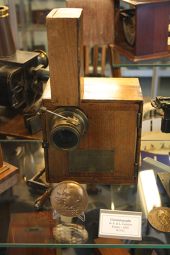
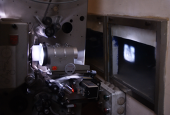
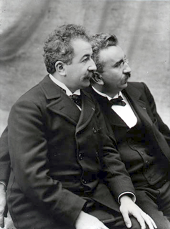
A device weighing five kilograms changed the way the human race tells stories. Auguste and Louis Lumiere patented the Cinematographe on February 13, 1895, a machine that could record, develop, and project moving images — replacing Thomas Edison’s bulky, single-viewer Kinetoscope with something that could fill a room with an audience watching the same flickering images together. Cinema was born not as a technology but as a shared experience. The Lumiere brothers were not dreamers. They ran their father’s photographic plate factory in Lyon, the largest in Europe, and approached moving pictures as an engineering problem. Edison’s Kinetoscope, introduced in 1893, required viewers to peer into a box one at a time — commercially limited and socially isolating. The Lumieres designed a hand-cranked machine that served as camera, printer, and projector in one, using 35mm film stock at 16 frames per second. The intermittent mechanism that stopped each frame briefly behind the lens was adapted from the mechanism of a sewing machine. Their first public screening took place on December 28, 1895, at the Salon Indien du Grand Cafe in Paris. Thirty-three people paid one franc each to watch ten short films, each about 50 seconds long. The program included workers leaving the Lumiere factory, a baby being fed, and a train arriving at a station. The audience reportedly flinched as the train appeared to rush toward them. Word spread immediately, and within weeks the screenings were drawing 2,000 people a day. The Lumieres sent cameramen around the world to film and exhibit, creating both the first international film distribution network and the first documentary footage of dozens of countries. Yet they famously dismissed their own invention. "The cinema is an invention without a future," Louis Lumiere reportedly said, viewing it as a scientific curiosity rather than an entertainment medium. The brothers who believed cinema had no future had inadvertently created the most influential art form of the twentieth century.
February 13, 1894
132 years ago
Key Figures & Places
What Else Happened on February 13
Emperor Otto I and Pope John XII formalized their alliance by signing the Diploma Ottonianum, which granted the papacy sovereignty over vast territories in cent…
The Mongols destroyed Baghdad in seven days. Hulegu Khan's army killed somewhere between 200,000 and a million people — the chronicles can't agree because the s…
The central tower of Ely Cathedral collapsed in 1322. Nobody died. The monks were asleep when 400 tons of Norman stonework came down at 2 a.m. They woke to rubb…
Genoese warships crushed a combined Venetian, Aragonese, and Byzantine fleet during a violent storm in the Bosporus. This tactical victory secured Genoese domin…
Edward IV signed a treaty with the Lord of the Isles in 1462 that technically made half of Scotland an English vassal state. John MacDonald controlled the weste…
Brussels buried its primary river in an engineering project that took decades and erased the Zenne from the city's surface entirely. The river had run through t…
Talk to History
Have a conversation with historical figures who witnessed this era. Ask questions, explore perspectives, and bring history to life.