

Galileo Arrives in Rome for Trial: The Inquisition Wants Answers
Galileo published Dialogue Concerning the Two Chief World Systems in 1632, only to face trial for heresy after portraying Pope Urban VIII's views through a foolish character named Simplicio. The Inquisition forced him to recant his support for Copernican heliocentrism and sentenced him to house arrest for the rest of his life. This confrontation cemented the Church's authority over scientific truth while driving Galileo's ideas underground, delaying their acceptance by centuries.
February 13, 1633
393 years ago
Key Figures & Places
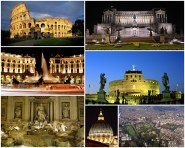
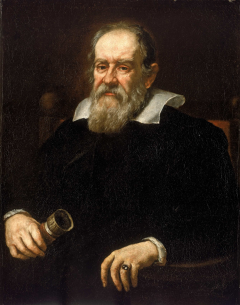
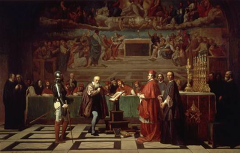
What Else Happened on February 13
la ciudad de Dvin (Armenia) ―de 100 000 habitantes― es gravemente dañada por un terremoto. Varios miles de víctimas. Se desploman las paredes de las casas (de a…
Emperor Otto I and Pope John XII formalized their alliance by signing the Diploma Ottonianum, which granted the papacy sovereignty over vast territories in cent…
Alexander III. wird von Gegenpapst Viktor IV. exkommuniziert, nachdem er sich geweigert hat, auf dem von Friedrich Barbarossa einberufenen Reichstag von Pavia z…
هولاكو خان، أمير الإمبراطورية المغولية، يأمر جيشه بنهب مدينة بغداد التي استولوا عليها للتو.
The Mongols destroyed Baghdad in seven days. Hulegu Khan's army killed somewhere between 200,000 and a million people — the chronicles can't agree because the s…
The central tower of Ely Cathedral collapsed in 1322. Nobody died. The monks were asleep when 400 tons of Norman stonework came down at 2 a.m. They woke to rubb…
Talk to History
Have a conversation with historical figures who witnessed this era. Ask questions, explore perspectives, and bring history to life.