Today In History logo TIH
Members of Parliament physically held the Speaker in his chair to prevent him fr
Featured Event 1629 Event

March 10

Charles I Dissolves Parliament: The Personal Rule Begins

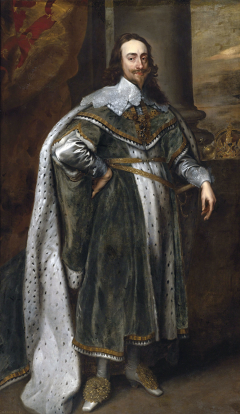
Members of Parliament physically held the Speaker in his chair to prevent him from adjourning the session on March 2, 1629, while they rushed through three resolutions condemning the king's policies on taxation and religion. Charles I dissolved Parliament eight days later, on March 10, and did not call another for eleven years. The period known as the Personal Rule had begun, and it would end only when Charles ran out of money to fight a war he could not avoid. The confrontation had been building since Charles became king in 1625. He believed in divine right — that his authority came from God, not Parliament — and resented parliamentary attempts to control taxation and religious policy. Parliament, for its part, insisted that the king could not levy taxes without its consent, a principle rooted in Magna Carta. The specific flashpoint was tonnage and poundage, customs duties that Parliament had refused to grant Charles for life as was traditional with new monarchs. The dramatic scene of March 2 saw Sir John Eliot, the opposition leader, read three resolutions while Speaker John Finch was forcibly restrained in his seat. The resolutions declared that anyone who promoted "innovation in religion" (meaning Arminianism or Catholicism), who advised the levying of tonnage and poundage without parliamentary consent, or who voluntarily paid such duties was "a capital enemy to this Kingdom and Commonwealth." Charles, informed of the proceedings, sent for the mace — without which Parliament could not legally sit — but members locked the doors. Charles dissolved Parliament on March 10, 1629, and arrested nine members, including Eliot, who was imprisoned in the Tower of London and died there in 1632. For the next eleven years, Charles governed without Parliament, raising revenue through a series of legally dubious mechanisms including Ship Money, a tax traditionally levied on coastal counties in wartime that Charles extended to inland areas during peacetime. The Personal Rule worked as long as Charles could avoid expensive foreign entanglements. When Scottish Presbyterians revolted against his attempt to impose a new prayer book in 1637, Charles needed an army. Armies required money. Money required Parliament. He summoned the Short Parliament in April 1640 and the Long Parliament in November 1640, beginning the political crisis that led directly to the English Civil War. Charles's eleven years of ruling without Parliament demonstrated that English kings could govern alone — but only until they needed to fight.

March 10, 1629

397 years ago

Key Figures & Places
What Else Happened on March 10

Talk to History

Have a conversation with historical figures who witnessed this era. Ask questions, explore perspectives, and bring history to life.

Start Talking