

Japanese Sub Shells California Coast: The War Hits American Soil
Japanese submarines fired artillery shells at the California coastline near Santa Barbara, shattering the illusion that the mainland was safe from direct attack. This rare strike forced the U.S. government to accelerate coastal defenses and blackouts, transforming a distant war into an immediate domestic reality for Americans.
February 23, 1942
84 years ago
Key Figures & Places
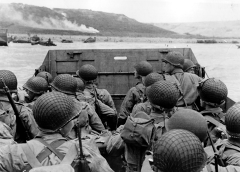
World War II
Wikipedia
California
Wikipedia
Empire of Japan
Wikipedia
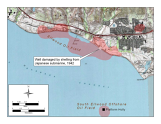
fire artillery shells
Wikipedia
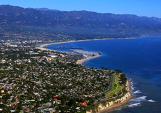
Santa Barbara
Wikipedia

World War II
Wikipedia

Japanese
Wikipedia

Bombardment of Ellwood
Wikipedia

Santa Barbara, California
Wikipedia

Enewetak Atoll
Wikipedia

Marshall Islands
Wikipedia

Pacific War
Wikipedia

Battle of Eniwetok
Wikipedia
17 de febrero
Wikipedia
Battle of Iwo Jima
Wikipedia

US Marines
Wikipedia

Mount Suribachi
Wikipedia
Raising the Flag on Iwo Jima
Wikipedia
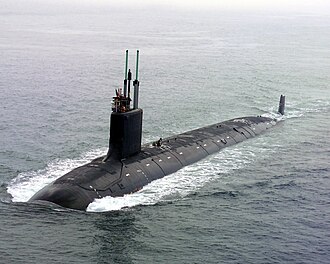
Submarine
Wikipedia
What Else Happened on February 23
Diocletian's soldiers arrived at the church in Nicomedia on February 23, 303, stripped the building, and burned every manuscript they could find. No bloodshed t…
Justinian ordered the Hagia Sophia built after rioters burned down the previous church during the Nika riots — the same riots where he nearly fled the city unti…
Khosrow II lost an empire because he refused to believe his generals. The Sasanian shah had ruled for 38 years, conquered Egypt and Syria, laid siege to Constan…
Wu Zetian ruled China for fifteen years as its only female emperor. She'd clawed her way from concubine to empress to sovereign, killing rivals, promoting schol…
le doge de Venise Pietro Tradonico et le roi d'Italie Lothaire Ier signent un pacte dit Pactum Lotharii.
consécration du pape Innocent II.
Talk to History
Have a conversation with historical figures who witnessed this era. Ask questions, explore perspectives, and bring history to life.