

Iranian Revolution Succeeds: The Shah Is Gone, Khomeini Takes Power
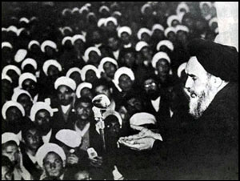
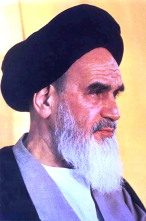
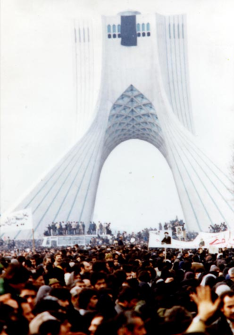
Ayatollah Ruhollah Khomeini's forces toppled the Shah and established an Islamic Republic, instantly transforming Iran from a Western-aligned monarchy into a regional power hostile to the United States. This shift triggered a decade-long hostage crisis that shattered American foreign policy confidence and redefined Middle East geopolitics for generations.
February 11, 1979
47 years ago
Key Figures & Places
What Else Happened on February 11

Japan's first emperor supposedly ascended on February 11, 660 BC. That's the official story. The problem: there's no historical evidence Jimmu existed. The date…
Britannicus died at a dinner party, right in front of everyone. He was fourteen. Nero's stepbrother, blood heir to Emperor Claudius. He took a sip of wine, conv…
Britannicus collapsed at dinner. He was 13, one day away from becoming a man under Roman law. One day away from challenging Nero for the throne. He'd been eatin…
Gordian III was 19 when his own soldiers killed him at Zaitha in Mesopotamia. He'd been emperor for six years — crowned at 13 after a military coup his family d…
Guo Wei didn't want to be emperor. He was a court official sent to suppress a rebellion when his own troops mutinied — and proclaimed him emperor instead. He re…
In der Schlacht am Welfesholz verliert ein Heer Kaiser Heinrichs V. unter Hoyer I. von Mansfeld gegen ein Bündnis sächsischer Edelleute unter dem späteren Kaise…
Talk to History
Have a conversation with historical figures who witnessed this era. Ask questions, explore perspectives, and bring history to life.