

Seabed Treaty Signed: Nuclear Weapons Banned from Oceans
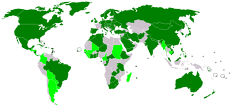
Eighty-seven nations agreed on February 11, 1971, to keep nuclear weapons off the ocean floor — a rare moment of Cold War consensus driven less by idealism than by the terrifying math of mutually assured destruction expanding into an ungovernable new domain. The Seabed Arms Control Treaty prohibited placing nuclear weapons or weapons of mass destruction on the seabed beyond a 12-mile coastal zone, closing off one more avenue for the arms race before it could open. The treaty emerged from growing anxiety in the late 1960s about the militarization of the deep ocean. Both the United States and Soviet Union were developing technologies to place fixed nuclear installations on the continental shelf — essentially underwater missile silos that would be nearly impossible to detect or destroy in a first strike. The prospect of hidden nuclear arsenals scattered across the ocean floor alarmed arms control advocates and military strategists alike. Negotiations began in the UN’s Eighteen Nation Committee on Disarmament in 1969. The United States and Soviet Union, despite disagreeing on virtually everything else, recognized that neither side wanted the staggering expense of an underwater nuclear arms race on top of the land, air, and space competitions already underway. The treaty was opened for signature on February 11, 1971, and entered into force on May 18, 1972, with verification provisions allowing any signatory to observe activities on the seabed. The agreement was more preventive than corrective — neither superpower had actually deployed seabed weapons yet. Critics called it symbolic, banning something nobody was doing. Supporters argued that prevention was precisely the point: closing the barn door while the horse was still inside. The Seabed Treaty remains one of the few arms control agreements that worked exactly as intended, primarily because it banned a weapons category before anyone had invested enough to fight over keeping it.
February 11, 1971
55 years ago
Key Figures & Places

What Else Happened on February 11
Japan's founding myth places Emperor Jimmu's ascension on February 11, 660 BC. The historical problem is straightforward: there is no evidence Jimmu existed. Th…
Britannicus collapsed at a banquet table in Rome in 55 AD. He was fourteen years old, the biological son of Emperor Claudius and rightful heir to the throne. He…
Britannicus collapsed at dinner. He was 13, one day away from becoming a man under Roman law. One day away from challenging Nero for the throne. He'd been eatin…
Gordian III was 19 when his own soldiers killed him at Zaitha in Mesopotamia. He'd been emperor for six years — crowned at 13 after a military coup his family d…
Guo Wei didn't want to be emperor. He was a court official sent to suppress a rebellion when his own troops mutinied — and proclaimed him emperor instead. He re…
Robert of Chester finished translating an Arabic alchemy text in 1144. It was the first time Western Europe had access to practical chemical procedures written …
Talk to History
Have a conversation with historical figures who witnessed this era. Ask questions, explore perspectives, and bring history to life.