Hariri Assassinated: Beirut Shaken by Massive Blast
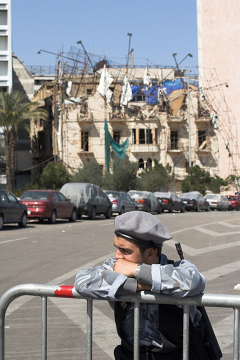
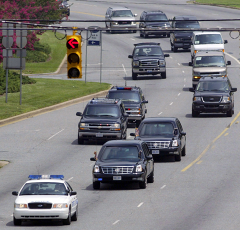
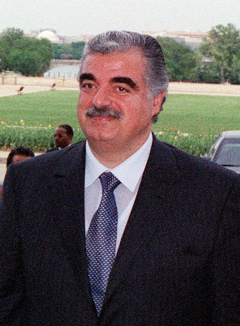
A 1,000-kilogram bomb detonated beneath the motorcade of former Lebanese Prime Minister Rafik Hariri as it passed the St. George Hotel on Beirut’s waterfront on February 14, 2005. The blast killed Hariri, 21 others, and wounded 226 people, leaving a crater ten meters wide in the street. The assassination triggered the largest political upheaval in Lebanon since the civil war and forced Syria’s military out of a country it had occupied for nearly thirty years. Hariri was a self-made billionaire who had served as prime minister twice and spent hundreds of millions of his personal fortune rebuilding Beirut after the 1975-1990 civil war. He was the most prominent Sunni Muslim political figure in Lebanon and had recently broken with Syria over its insistence on extending the presidential term of its ally Emile Lahoud. Hariri was preparing to lead an anti-Syrian coalition in upcoming parliamentary elections when he was killed. The assassination electrified Lebanon. Within weeks, over a million people gathered in central Beirut on March 14, demanding Syrian withdrawal and an international investigation. The Cedar Revolution, as it became known, succeeded: Syria withdrew its 14,000 troops by April 2005, ending a military presence that had begun in 1976. A United Nations Special Tribunal for Lebanon was established to investigate the killing. The tribunal, working for over a decade, eventually convicted Salim Ayyash, a member of Hezbollah, in absentia for the assassination in 2020. Hezbollah denied involvement. Syria also denied any role, despite a UN investigation that found extensive evidence implicating Syrian and Lebanese intelligence officials. Ayyash was never apprehended. Hariri’s murder removed the one figure with enough wealth, stature, and cross-sectarian appeal to potentially unify Lebanon — and the country has not found another since.
February 14, 2005
21 years ago
Key Figures & Places
What Else Happened on February 14
Gunmen stormed the village of Ngarbuh in Cameroon’s Northwest Region, killing at least 22 civilians, including 14 children. This massacre intensified the ongoin…
A Roman priest kept marrying couples after the emperor banned marriage. Claudius II needed soldiers, decided love made men weak, and outlawed weddings empire-wi…
Abu Muslim Khorasani took Merv with an army that wasn't Arab. Persian converts, freed slaves, non-tribal soldiers — everyone the Umayyads had spent a century ta…
Two brothers stood in Strasbourg and swore loyalty oaths to each other's armies in February 842, and the languages they used became the oldest surviving written…
Lithuania appears in writing for the first time in 1009 — a single line in a German monastery's records. A missionary named Bruno was killed "on the border of R…
Pope Benedict VIII crowned Henry of Bavaria as Holy Roman Emperor in Rome, formalizing the Ottonian dynasty’s control over the papacy. This alliance solidified …
Talk to History
Have a conversation with historical figures who witnessed this era. Ask questions, explore perspectives, and bring history to life.