

Chile Declares Independence: O'Higgins Signs the Document
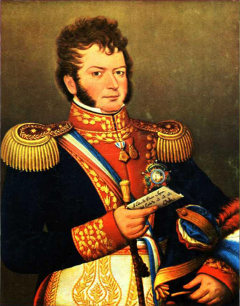
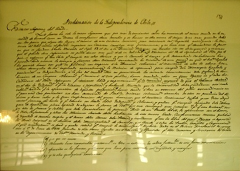
Bernardo O'Higgins signs the Chilean Declaration of Independence near Concepción, severing centuries of Spanish colonial rule and establishing a sovereign republic. This act transforms Chile from a royalist outpost into an independent nation, setting the legal foundation for its future political institutions and national identity.
February 12, 1818
208 years ago
Key Figures & Places


What Else Happened on February 12
en Roma, el papa Juan VIII corona a Carlos III el Gordo como rey de Italia.
Pope John VIII crowned Charles the Fat as Holy Roman Emperor, reuniting the fractured Carolingian Empire under a single ruler for the final time. This consolida…
Bruno of Toul walked into Rome expecting a coronation. Instead, he refused it. He wouldn't accept the papacy unless the Roman clergy and people elected him prop…
Robert of Arbrissel was preaching to prostitutes and lepers when Urban II made him found an abbey. The Pope wanted him institutionalized — literally. Robert had…
In Rom soll König Heinrich V. von Papst Paschalis II. zum Kaiser gekrönt werden. Die Bekanntgabe der Einigung von Sutri vom 9. Februar über den Investiturstreit…
Der päpstliche Kardinallegat Guido sichert auf Antrag von Rat und Bürgerschaft der Stadt Breslau die Schaffung der Schule bei der Kirche St. Maria Magdalena zu.
Talk to History
Have a conversation with historical figures who witnessed this era. Ask questions, explore perspectives, and bring history to life.